

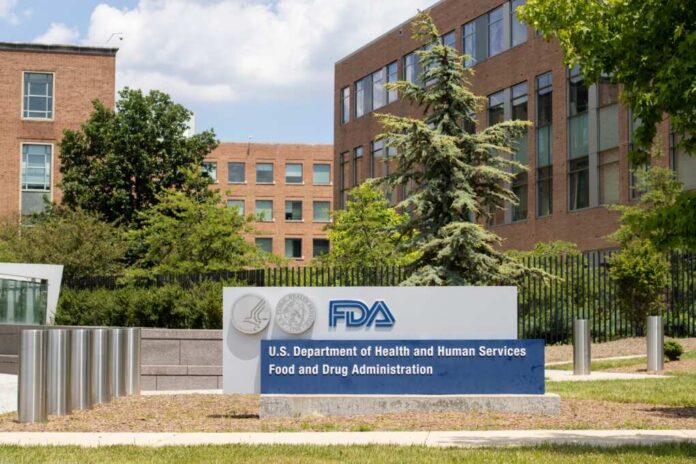
Trump’s FDA announces new restrictions on Big Pharma TV advertising, falling short of the complete ban promised during his 2024 campaign.
Story Highlights
- Trump administration implements new FDA restrictions on pharmaceutical TV advertising without imposing a complete ban
- The policy falls short of the full prohibition on drug ads promised during the 2024 campaign
- FDA emphasizes renewed focus on food safety and removing harmful additives from the American food supply
- New legislative proposals seek expanded FDA authority over supply chains and product recalls
Trump’s Measured Approach to Pharma Ad Reform
The Trump administration has implemented new FDA restrictions on pharmaceutical television advertising, marking a significant departure from previous policies while stopping short of the complete ban promised during the 2024 campaign. Administration officials confirmed this represents a strategic first step rather than the comprehensive prohibition many supporters expected. This approach demonstrates Trump’s commitment to reining in Big Pharma’s influence while maintaining regulatory flexibility for future enforcement actions.
Trump cracks down on big pharma TV ads but does not ban them https://t.co/1RHtzBpwDN
— BPR (@BIZPACReview) September 10, 2025
FDA Refocuses on Core Food Safety Mission
The FDA is prioritizing its foundational responsibility of protecting public health through enhanced food safety oversight and ingredient review processes. The agency announced plans to “restore focus on the ‘F’ in FDA,” emphasizing the removal of harmful additives and improving food labeling transparency. This renewed emphasis addresses conservative concerns about government agencies losing sight of their primary constitutional duties while targeting industry practices that compromise American families’ health and wellbeing.
Watch: Trump targets pharma ad disclosures in new memorandum #Shorts – YouTube
Expanded Regulatory Authority Through Legislative Proposals
New FY25 legislative proposals seek to strengthen FDA authority over supply chain oversight, expand recall powers, and create regulatory frameworks for innovative medical products. These measures aim to address emerging risks from global supply chain disruptions and chemical contamination in food supplies. The proposals represent an approach to protecting American consumers from foreign-manufactured products that may not meet domestic safety standards, aligning with Trump’s America First priorities.
Industry Pushback and Implementation Challenges
Pharmaceutical and food industries face increased compliance requirements under the new regulatory framework, with potential cost increases driving resistance to expanded oversight measures. Industry lobbying efforts continue to influence regulatory priorities, highlighting ongoing concerns about corporate capture of federal agencies. The administration’s measured approach to pharma advertising restrictions reflects the complex political dynamics surrounding healthcare regulation, balancing public health protection with industry accommodation.
The FDA’s evolving role under Trump demonstrates a shift toward prioritizing American consumers’ interests over industry profits, though the limited scope of pharmaceutical advertising restrictions may leave some supporters questioning whether the administration is moving decisively enough against corporate interests.
Sources:
FDA Human Food Program FY 2025 Priority Deliverables
FDA Legislative Proposals Document