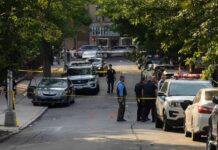
Austin police released video that shows the moments before and after a federal immigration officer shot a 28-year-old man, but not the shot itself.
Story Snapshot
- Police video shows a traffic stop and pursuit tied to the shooting, but not the gunfire.
- Federal officials say agents identified themselves and pursued a man with a final removal order.
- Advocates and the man’s attorney dispute claims of a foot chase and agent identification.
- Missing body-camera footage from the shooter fuels calls for independent oversight.
What the Released Videos Actually Show
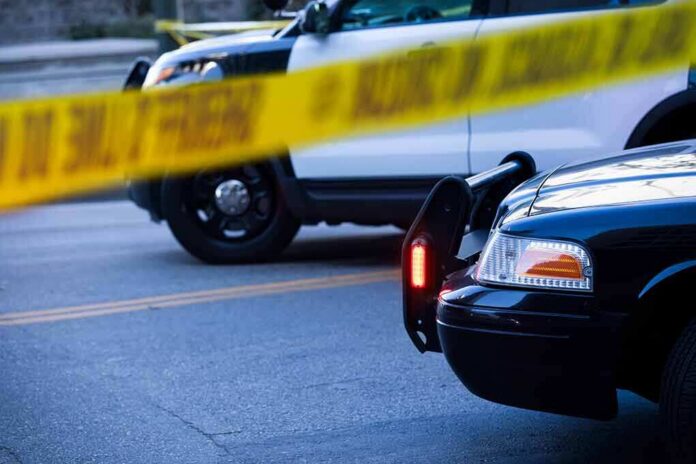
Austin police shared body-camera and bystander video that show a blue sedan stopped by black sport utility vehicles with lights on, followed by a vehicle pursuit. The clips end with the aftermath of the shooting, including officers securing the scene. The videos do not capture the exact moment the shot was fired or the shooter’s direct view. Multiple outlets report the federal officer did not have body-camera footage from the shooting itself, leaving a key gap in evidence.
Federal officials and local reports say agents were conducting a targeted enforcement action. They linked the blue sedan to Wilber Rafael Garcés Pérez and said he was in the country without legal status and under a final order of removal. Officials stated that agents identified themselves and that the encounter followed engagement with the suspect before the shot. These points set an enforcement context for the stop and pursuit, not a random encounter.
Why Core Facts Are Still in Dispute
The public record lacks video of the decisive instant when the officer fired. Without that view, the standard question—what threat the officer reasonably perceived at that moment—remains open. Reports differ on where the bullet struck and whether the man was outside or inside his car just before the shot. That mix of gaps and conflicting details keeps both the legal analysis and public judgment unsettled while agencies continue their investigations.
Advocates challenge parts of the official account. At a press conference, the family’s attorney said video contradicts claims of a foot pursuit, and the man himself denied ever getting out of the vehicle. Speakers argued agents did not clearly identify themselves and called for an investigation outside the Department of Homeland Security and the Department of Justice. These objections focus on identification, pursuit, and proportional force during a vehicle encounter.
Public Trust, Accountability, and the Missing Camera
Community groups and some local leaders say the case fits a larger pattern where early agency statements later face pushback from video and witnesses. They point to the lack of body-camera footage from the shooter as a major failure, because it removes the clearest record of the officer’s view. Calls for independent oversight, faster release of video, and stricter rules on traffic stops by immigration agents reflect broader worry that government systems protect insiders over citizens.
ICE Officer Who Shot Venezuelan Delivery Driver Wasn’t Wearing Body Camera, Sources Say
An ICE officer involved in the shooting of Venezuelan DoorDash driver Jose Hermides Ibarra Garcia in Austin was not wearing a body camera at the time, according to three sources familiar with… pic.twitter.com/CtB41KSt1c
— Context Corner (@ContextC56659) September 23, 2026
For many Americans—left and right—the issue is not only immigration policy but whether rules apply fairly to those who enforce them. People who back strong border enforcement want trained, well-supervised agents who follow policy and document high-risk moments. People who fear abuse want transparent reviews that release key records fast. Both sides benefit when agencies preserve radio traffic, publish timelines, and explain how threat judgments were made in plain language supported by evidence.
Sources:
youtube.com, fox7austin.com, cnn.com, nytimes.com, usatoday.com, cbsaustin.com, apnews.com