
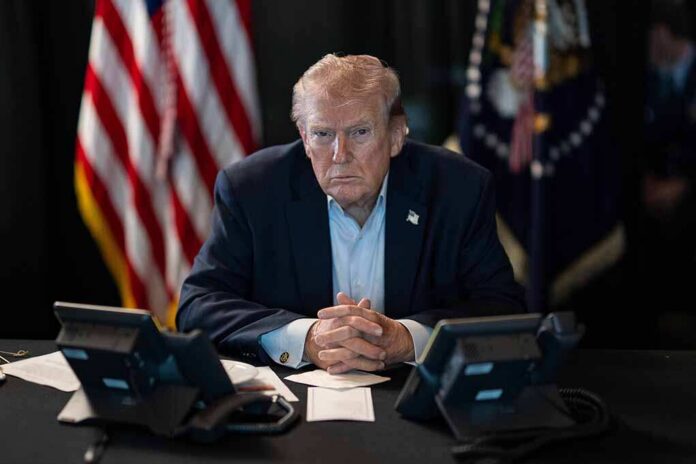
President Trump publicly urged Ukraine to choose “a new leader who can make a deal,” tying Kyiv’s refinery strikes to rising fuel shocks and stalled talks.
Story Snapshot
- Trump said Ukraine needs a new president able to negotiate an end to the war.
- Trump linked Ukrainian strikes on Russian refineries to fuel disruptions and global price pressure.
- Zelenskyy said any talks must include Ukraine, begin with a ceasefire, and include real security guarantees.
- Martial law blocks elections in Ukraine, so a leadership change is not straightforward or immediate.
What Trump Said And Why It Matters
On October 10 at the White House, President Trump said, “I think it’s time for Ukraine to get a new president,” and suggested a leader “who can make a deal.” He criticized strikes on Russian oil refineries and claimed he warned President Volodymyr Zelenskyy against those attacks. His remarks placed energy, war costs, and negotiations at the center of U.S. policy debate, while Republicans control Congress and the White House sets the tone on Ukraine.
Trump’s case leans on reports that Ukrainian attacks disrupted Russia’s fuel system. Ukrainian officials have claimed strikes disabled about half of Russia’s refining capacity, and reporting described tighter fuel supplies, a diesel export ban, and higher global prices. Those details support his point that refinery hits have ripple effects, though they do not prove those attacks alone caused a global diesel shortage or can decide the war’s outcome.
Zelenskyy’s Stance On Talks And Energy
President Zelenskyy said all talks about Ukraine must include Ukraine. He called for a ceasefire first, then reliable security guarantees. He argued that allowing Russian petroleum sales funds further attacks and said pressure on Russia should continue during any talks. This view favors leverage before concessions and pairs battlefield decisions, like refinery strikes, with diplomatic aims for security and sovereignty.
Reports described a possible “energy ceasefire,” with Ukraine showing willingness to pause strikes on energy sites if Russia agreed. Accounts said Moscow did not make a public commitment and reportedly sought sanctions relief instead. That mismatch shows why proposals stall: each side wants guarantees the other will not exploit a pause, and each side seeks economic advantage before making military concessions.
The Hard Facts On Leadership Change In Wartime
Calls for “new leadership” run into Ukrainian law. Martial law blocks elections, and the constitution allows the president to stay in office until a successor is elected. International experts and legal analyses say holding national elections during intense war is not feasible or required. That means any near-term change would demand conditions that do not yet exist and could raise risks for state stability in a live conflict.
These rules shape what outside pressure can achieve. Even strong U.S. statements do not create a legal path to immediate elections in Ukraine. Instead, they signal policy preferences: stop refinery strikes, cool energy markets, and push faster talks. Supporters see this as a way to cut costs and reduce risk. Critics fear bargaining from weakness or rewarding ongoing aggression if security guarantees and ceasefire terms are not enforceable.
What We Know And What We Do Not
The record clearly shows Trump’s public demand for leadership change and his claim that he warned Zelenskyy on refineries. The record also shows Ukraine’s refinery attacks affected Russia’s fuel flows and pushed prices higher. What remains unclear is whether Trump issued a formal, documented warning, whether Zelenskyy received or rejected it directly, and whether a new Ukrainian leader would secure an actual peace that protects core national interests.
🚨 🇺🇸🇺🇦🇷🇺 President Trump said Ukraine needs 'a new leader who can make a deal,' criticizing President Zelenskiy for continuing to hit Russian refineries.
Trump criticized Ukrainian President Volodymyr Zelenskiy over Ukraine’s continued strikes on Russian oil refineries.…
— Ahmad Shah Mohibi (@WarGuy_) October 10, 2026
The stakes for Americans are concrete. Energy shocks hit family budgets, truckers, and farms. War spending competes with domestic needs while trust in Washington stays low. Many on the right see needless escalation; many on the left see pressure for talks without ironclad safeguards. Both sides fear elites will cut side deals while ordinary people pay the bill. Clear terms, verified pauses, and enforceable security guarantees would test whether this push leads to peace or just another headline.
Sources:
newsweek.com, rferl.org, pbs.org, deccanchronicle.com, president.gov.ua, independent.co.uk