NBC’s Kristen Welker told a sitting U.S. senator live on air that there was “no evidence” tying a Senate candidate to terrorism, setting off a tense exchange that has both sides of the aisle questioning how the media handles political attack claims.
Story Snapshot
- Kristen Welker challenged Senator Tim Scott on August 23, 2026, telling him there was no proof Michigan Senate nominee Abdul El-Sayed had terrorist ties.
- Welker also pressed Scott on whether Republican ads were meant to scare voters because El-Sayed could become the first Muslim senator.
- Critics call the interview “cover” for El-Sayed, while transcripts show Welker also confronted El-Sayed about his ties to commentator Hasan Piker.
- The clash reflects a bigger fight over whether TV interviewers treat candidates fairly or pick favorites based on politics.
Welker Presses Scott on Evidence
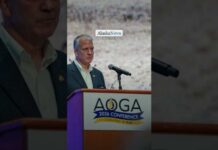
During the August 23 episode of Meet the Press, Welker turned to Senator Tim Scott and said, “there is no evidence that he has terrorist ties, Senator.” She repeated the point moments later, saying, “Just to be very clear. There is no evidence that El-Sayed supports any terrorist organization”. Welker then asked whether the National Republican Senatorial Committee’s ads were designed to scare voters because El-Sayed could become the first Muslim senator elected to the chamber.
Conservative commentators pushed back hard on Welker’s framing. A NewsBusters column accused her of “decrying” the ads rather than reporting them fairly, arguing she used her platform to defend El-Sayed instead of asking tough questions. Supporters of Welker’s approach counter that fact-checking a specific, serious claim like terrorism support falls squarely within a journalist’s job, especially when a campaign ad makes that exact accusation against a candidate.
The Hasan Piker Question Resurfaces
Scott raised El-Sayed’s past campaign appearance with left-wing streamer Hasan Piker, who has made controversial remarks about the September 11 attacks. Welker responded that El-Sayed had already denounced those comments during an earlier appearance on the show. That earlier appearance, from August 9, shows Welker directly confronting El-Sayed about Piker’s remarks and asking him point-blank whether he disavowed them, according to NBC’s own transcript from that broadcast.
That August 9 interview also covered Medicare for All, the Israel-Gaza conflict, and El-Sayed’s views on capitalism, giving Welker multiple chances to press him on sensitive topics. Some outlets reported El-Sayed struggled under questioning, with one report noting he admitted Medicare for All would likely require Americans to pay “a little bit more in taxes.” That detail suggests the interview wasn’t entirely a soft landing for the candidate, despite claims otherwise.
A Familiar Fight Over Media Fairness
This isn’t a new argument. Journalists get accused of being too soft or too tough depending on who’s watching and who’s being interviewed. Research on political interviews shows this tension is built into the job itself, not a sign of hidden bias. Reporters who ask hard questions risk being called biased, while those seen as gentle risk being called stenographers for one side. That double bind fuels distrust no matter which way an interview goes.
Social media reaction split along familiar lines. Some users accused Welker of ignoring bigger issues, including unverified claims about vote counts in the Michigan primary. Others said Republicans were smearing a candidate because his policies were unpopular, not because of legitimate concerns. Neither camp offered new documented evidence beyond what aired, leaving the dispute rooted in interpretation rather than fresh facts.
Kristen Welker Runs Cover for Abdul El-Sayed – Tim Scott Wasn't Having It https://t.co/0a9TiLGb0N
— david harmon (@harmonbub) August 24, 2026
What’s clear from the public record is that Welker directly challenged the terrorism claim and got pushback from a sitting senator on live television. What remains murky is whether her overall questioning of El-Sayed matched the toughness she showed toward Scott. Full booking memos and internal editorial decisions from NBC have not been made public, so claims about deliberate favoritism remain unproven either way. For voters trying to sort fact from spin ahead of a closely watched Senate race, that gap matters.
Sources:
redstate.com, nbcnews.com, youtube.com