
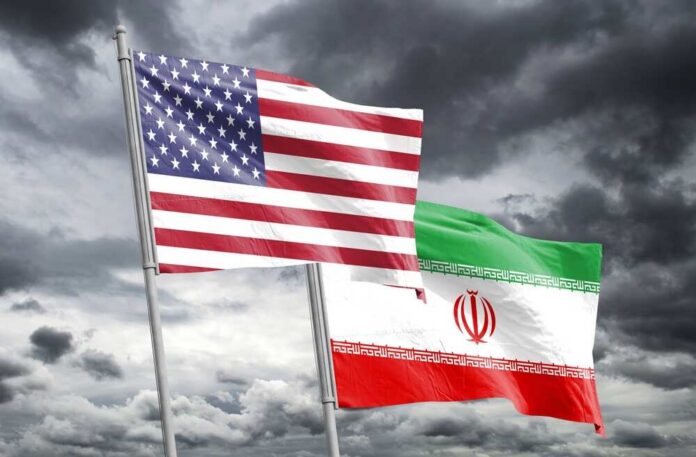
G7 leaders are backing President Trump’s Iran plan, but the deal still faces a simple problem: the public has not seen the text.
Quick Take
- Group of Seven leaders called the accord a “historic opportunity” to block Iran from getting a nuclear weapon.[1]
- The deal is said to open the Strait of Hormuz and extend the ceasefire, but key details remain unpublished.[1][2]
- Republican leaders in Congress say they have not been fully briefed and want the text before judging it.[6][9]
- The framework appears to push Iran toward nuclear limits, but critics say it leaves too much unresolved.[2][10]
G7 Backs the White House Push
Leaders at the Group of Seven summit in France endorsed Trump’s tentative agreement with Iran and praised it as a chance to stop Tehran from getting a nuclear weapon.[1] The leaders also said they were ready to help carry it out. Their backing gives the White House a public win, but it does not remove the biggest issue. The agreement has not been fully released, and neither side has laid out every step.
Trump says the plan will reopen the Strait of Hormuz and keep oil moving again.[1][2] That matters far beyond the Middle East. Any deal that steadies shipping and lowers the risk of a wider war will draw attention from allies and markets. Still, support from foreign leaders does not settle the questions at home. A deal this important should not depend on vague promises and selective leaks.
What the Deal Appears to Do
Available reporting says the framework would extend the ceasefire for about 60 days while talks continue on Iran’s nuclear program.[1][2] Axios reported that the draft includes a pledge that Iran will never develop a nuclear weapon and addresses its enriched uranium stockpile.[1] The same reporting says sanctions relief would depend on compliance and further progress. That is the right idea in principle. Rewards should follow results, not come before them.
Le Monde reported that the draft also points to an end of fighting in Lebanon and a broader pause in regional violence.[2] But that same report said the leaked versions do not mention Iran’s ballistic missile program or its proxy forces.[2] That omission matters. Iran’s threats have never come only from one place. A serious plan must deal with the full network, not just the easiest part to talk about on camera.
Republicans Want the Fine Print
Senate Majority Leader John Thune said he had not been briefed and did not know enough to judge the deal.[6] Punchbowl News reported that the White House had not shared key information with the Hill, which helped fuel Republican skepticism.[9] The Hill also reported that Thune said it was hard to respond because he did not know the particulars.[6] That frustration is fair. Congress should not be asked to cheer first and read later.
This is why you write for @TheFP. The JCPOA ensured Iran enriched below IAEA maximum enrichment for fuel. Trump's deal is far worse and again, ensures nothing on the nuclear side so far. 325B and sanctions relief can rebuild anything related to the nuclear program in less than 2…
— Tom Cole (@putICEontrial) June 17, 2026
The lack of disclosure also explains why critics are calling the accord incomplete.[10] Semafor reported that the text had not been made public and that some Trump allies were upset because the agreement did not immediately resolve the core goal of stopping Iran from getting a nuclear weapon.[10] Instead, it sets up more technical talks. That may be a useful step, but it is not the same as a final settlement. The country deserves clarity before victory laps.
Why the Opaque Parts Matter
Iran talks have a long record of controversy because supporters and critics focus on different risks.[17][19][21] Supporters want a deal that slows Iran’s path to a bomb and restores shipping in the region.[17][18] Critics warn that partial deals can hide the hard issues, such as enrichment limits, stockpiles, inspections, and sanctions relief.[19][21] That is why details matter so much. The fine print decides whether this is restraint or just delay.
For conservatives, the key test is simple. If the deal truly blocks a nuclear Iran, strengthens American leverage, and protects energy routes, it deserves a close look.[1][2] If it gives Tehran cash, time, and cover without lasting limits, it becomes another Washington mistake dressed up as progress.[10][21] The White House still has time to prove which one this is by releasing the full agreement and answering Congress directly.
Sources:
[1] Web – G7 Leaders Back Trump’s Plan to End Iran War That Faces Skepticism at …
[2] Web – What’s in the Iran deal Trump says he’s ready to sign – Axios
[6] YouTube – Trump says Strait of Hormuz will open Friday
[9] Web – Release the Text of the Iran Deal | National Review
[10] Web – Lots of GOP skepticism about Trump’s Iran deal – Punchbowl News
[17] Web – Trump’s Iran deal greeted with skepticism and scrutiny on Capitol Hill
[18] Web – How the United States has approached nuclear negotiations with Iran
[19] Web – U.S.-Iran Relations Under Trump 2.0: Lessons Learned and Likely …
[21] Web – Iran nuclear deal – Wikipedia