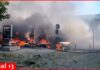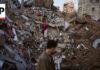

Life-threatening flash floods swept Hawaii as Hurricane Lala pounded the islands, killing at least one person and washing homes away.
Story Highlights
- Governor Josh Green declared a statewide emergency before the storm hit.
- At least one person died and homes were swept away on Hawaiʻi Island.
- Officials warned of up to 20 inches of rain in some areas, with dangerous surf.
- Counties faced hurricane warnings, flood watches, and power outages.
Emergency Actions Before Landfall
Governor Josh Green signed an emergency proclamation on August 13, activating disaster funds and allowing use of the Hawaiʻi National Guard as Tropical Storm Lala neared near-hurricane strength. The order said Lala posed a serious threat to the state, especially Hawaiʻi Island, and aimed to speed aid and resources as conditions worsened. County leaders echoed the alarm with local emergency declarations that cited hurricane warnings and flood watches in effect across the Big Island.
State emergency managers warned of intense rain across the chain, with some locations likely to see localized totals near 20 inches on the Big Island and Maui. Officials also flagged dangerous surf near 20 feet and possible storm surge in low-lying areas, raising the risk of road washouts, landslides, and cut power lines. The agency urged residents to secure supplies, avoid flooded roads, and monitor alerts as the storm tracked south of Hawaiʻi Island.
Flash Floods, Washed-Out Homes, and First Fatality
As bands pushed ashore, heavy rain triggered rapid flooding on the southern side of Hawaiʻi Island. The National Weather Service in Honolulu reported two homes swept away near Nāʻālehu. Local officials confirmed at least one death linked to the flooding as water rose and currents grew dangerous. A flash flood warning covered the Kau District while first responders struggled with blocked roads and debris flows in multiple communities.
National guidance described flooding rain impacts “still unfolding” across the Big Island and Maui County as the core of Lala passed nearby. Forecasters cautioned that swollen streams, saturated ground, and more rain bands could extend the flood threat even after winds began to ease. That pattern raised concern for overnight rescues, delayed power restoration, and longer closures on key routes around the island.
What Officials Expect Next and Why It Matters
The National Weather Service and state officials signaled that more rounds of heavy rain were possible as the storm’s moisture lingered. Even where winds weakened, dangerous surf and runoff could continue to damage roads and coastal areas. That outlook suggested a slow recovery phase, with utility crews and road teams working around unstable hillsides, sinkholes, and downed lines as weather gradually improves.
🚨Hurricane Lala—So Much Damage.
FIRST HAND ACCOUNTS‼️‼️‼️0900 Hawaii, Big Island Update (1hr S of Kona): Still pounding rain, and wind blowing. 160,000 without power, WINDS up to 82 mph, and on the mountain 134 mph! So much damage, HOUSES MISSING, major flooding. Trees down… https://t.co/eK959ot6r8 pic.twitter.com/8uUb0Jmg2w
— Shana_X_ (@Shana__X__) August 16, 2026
For families on every side of our politics, the stakes are simple: working systems save lives. Clear warnings, honest updates, and fast use of emergency powers helped protect people here. Many Americans worry that government reacts late, spends big, and delivers small. In this case, leaders moved early with formal orders, mobilized resources, and told the public what to expect. Strong institutions should do this every time—before the flood, not after.
Sources:
nhc.noaa.gov, dod.hawaii.gov, nbcnews.com, theguardian.com, foxweather.com