

Relatives say they recovered the bodies of four loved ones after a small plane vanished near Andros Island while flying back to Florida, turning a desperate search into confirmed loss.
Story Highlights
- Bahamas authorities and the U.S. Coast Guard launched a joint search after the plane lost contact west of Andros Island.
- Officials identified the aircraft as a PA-34 Piper with tail number N212ML; four family members were on board.
- The flight departed Great Harbour Cay for Miami Executive Airport, then disappeared from contact near North Andros.
- Family members reported finding the bodies as the official search continued; officials had not released a cause.
What Authorities Confirmed About the Missing Flight
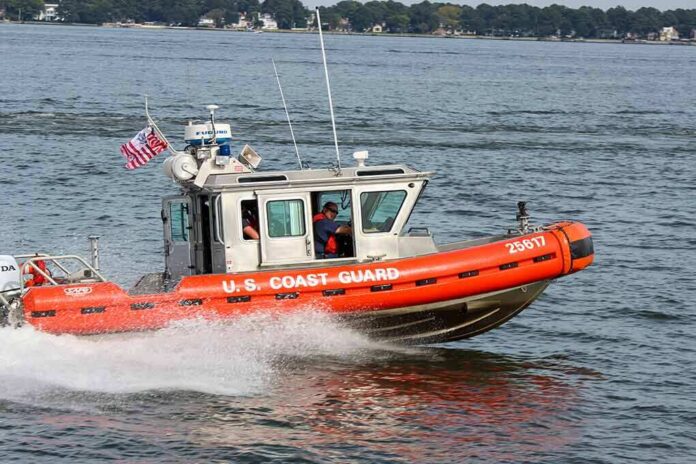
Bahamas police said air traffic control lost contact with a PA-34 Piper aircraft about 13 miles west of Andros Island. Officials identified the tail number as N212ML and reported four people aboard. The flight left Great Harbour Cay after 10 a.m. and was headed to Miami Executive Airport. Bahamian officials contacted the United States Coast Guard for help around midafternoon. The Coast Guard said it assisted the Bahamas with aerial searches over the last known position off North Andros.
The United States Coast Guard deployed aircraft to scan the area while Bahamas units searched by sea. Reporters described a multinational effort, with American and Bahamian teams coordinating search grids. Early statements said the search had not yet found the plane. That is common in over-water incidents when currents and wind can shift debris fields away from the last known point. Officials had not released a cause of the disappearance at the time of these reports.
Who Was Aboard and How the Family Responded
News outlets reported the occupants as four related family members identified by relatives, while officials had not yet published a formal manifest. Family members appealed for help and joined the effort near the search zone. Local broadcasts and posts then reported the relatives had found the bodies of the four family members. Authorities still had not issued a formal cause or detailed timeline. That sequence—family identification first, then official updates—often occurs in fast-moving cases.
Bahamas police and the United States Coast Guard emphasized the search area near North Andros. The location matches where contact reportedly ended. The aircraft’s route, from Great Harbour Cay to Miami Executive Airport, is a commonly flown path for small planes. Officials noted the aircraft model and tail number, which helps investigators match any recovered debris to the missing plane. Formal investigation steps typically follow recovery, including weather review and maintenance record checks.
Why Over-Water Searches Are So Challenging
Search leaders often start with the last known point and then widen the area based on winds and currents. Ocean drift can move debris many miles in a short time, which complicates planning. Best practice guidance shows teams update search zones as new data arrives, including any sightings from air or sea. That process explains why early stages can yield “negative results” even when crews search the right general area near Andros Island.
🇺🇸 A son went searching for his missing family himself and made the discovery nobody wanted.
Mario and Lili Lamar were flying back to Florida from the Bahamas with two of their grandchildren when their private plane crashed near North Andros Island yesterday.
Bad weather… pic.twitter.com/6rcuxJFpil
— Mario Nawfal (@MarioNawfal) September 8, 2026
In past ocean searches, once debris or remains are found, investigators work backward to estimate the impact site. They then map and recover key parts to study the cause. For this case, officials had not issued a cause. The next steps likely include a formal case file from Bahamas authorities, coordination with the United States agencies, and a review of flight path data, weather, and maintenance records. Families often push for those answers to understand what went wrong.
Sources:
cbsnews.com, qazinform.com, sun-sentinel.com