The United States is adding another $242 million to Ebola response work, pushing its direct commitment to more than $512 million and widening a fast-moving aid effort across central and eastern Africa.
Quick Take
- The State Department said the new money will support immediate Ebola response, preparedness, and humanitarian aid tied to the outbreak.
- The announcement raises the department’s direct Ebola assistance to more than $512 million.
- The funding will support screening, isolation, treatment, border checks, and work to fight misinformation.
- The move comes as health officials warn that the outbreak is still spreading faster than the response.
Washington Lifts Ebola Aid Again
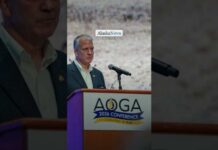
The State Department announced on August 5 that it intends to provide an additional $242 million for Ebola response and preparedness in the Democratic Republic of Congo and Uganda. Officials said the package also covers humanitarian assistance linked to the outbreak. Reuters reported that the new pledge would nearly double the federal government’s financial commitment to the crisis.
The department said the money will help pay for surveillance, detection, isolation, treatment, and border screening. It also said the funds will support health clinics and community outreach aimed at reducing false information and building trust in Ebola response efforts. The broader goal is to slow the spread before it reaches more people and more facilities that are already under pressure.
What The Funding Is Meant To Do
State Department officials said the new assistance builds on earlier announcements made during the current outbreak. Reuters reported in June that the department had already added $20 million, bringing direct Ebola assistance above $220 million at that time. The August package takes the total to more than $512 million in direct assistance, according to the State Department.
The department said its efforts have already supported millions of health screenings and more than 180 health facilities across affected areas. It also said it has helped operate 12 specialized facilities in the Democratic Republic of Congo and distributed nearly 300 metric tons of critical supplies. Those numbers show a response that is large, but still chasing a disease that can move faster than governments can mobilize.
Why The New Pledge Matters
The new announcement lands in a familiar pattern for Ebola outbreaks: funding usually arrives in waves, not one clean release. That can make the public debate messy, because agencies often describe the same response through different buckets, such as direct outbreak aid, preparedness support in nearby countries, and broader humanitarian funds. Even so, the core fact is plain: Washington is putting more money into the response while the outbreak remains active.
In #DRCongo, #healthworkers bury colleagues as #Ebola outbreak outrun response. Aid groups blame US foreign aid cuts for lack of timely sufficient supplies and support. #DRC #GlobalHealth #Ituri #Bundibugyo #ForeignAid #PublicHealth https://t.co/BzQCG2oN9s
— Makau Ngola (@makaungola) August 4, 2026
Health Policy Watch has said some aid workers and health officials have questioned how clearly U.S. outbreak money is tracked and shared with partners on the ground. Reuters also reported that the World Health Organization chief warned the outbreak was outpacing the response. Those concerns matter because Ebola control depends on speed, clear logistics, and local trust, not just large dollar figures.
Sources:
insiderpaper.com, usau.usmission.gov, cd.usembassy.gov, reliefweb.int, reuters.com, justice.gov, kff.org