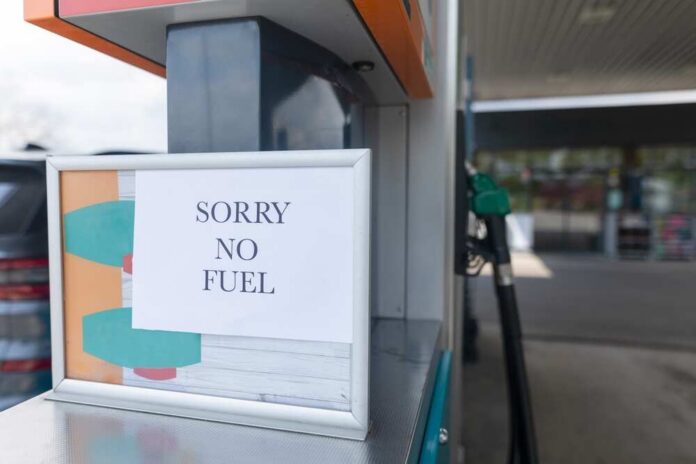
Cuba has literally run out of diesel and fuel oil, plunging Havana into near‑daylong blackouts and raising a hard question: can the communist regime survive when the lights stay off and the people finally lose their fear?
Story Snapshot
- Cuba’s own energy minister admits the island has “no diesel” and “no fuel oil,” forcing the grid onto limited domestic crude, gas, and renewables.
- Parts of Havana now endure 20–22 hour blackouts, triggering rare street protests against the regime despite tight repression.
- Cuban leaders blame a United States “energy blockade,” while critics point to decades of socialist mismanagement and a crumbling grid.
- Washington has floated up to $100 million in conditional aid, raising fears of new leverage games while Cubans suffer in the dark.
Cuba’s Fuel Reserves Hit Zero and the Grid Craters
Cuban Energy Minister Vicente de la O Levy has publicly acknowledged that the country has “absolutely no fuel oil” and “absolutely no diesel” left to sustain its already fragile electrical grid, a stunning admission from a regime that normally hides bad news.[3] With imported fuels gone, officials say the grid is limping along on domestic heavy crude, natural gas, and limited renewable power, far short of what is needed to keep the island running.[1][3] This collapse exposes how completely dependent socialist Havana remains on foreign lifelines.
Reports from multiple outlets describe large sections of Havana going dark for up to 20–22 hours a day, with power briefly restored in rotating windows so residents can charge phones, cook, and pump water before the lights cut again.[2][3] Authorities are diverting what little electricity remains to hospitals and “strategic” facilities, leaving ordinary families to swelter through tropical nights without fans or refrigeration.[3] For a regime that traded liberty for supposed “basic security,” losing even basic power shatters the bargain.
Regime Blames “Blockade,” But Mismanagement Runs Deep
Havana’s rulers are calling the crisis a “genocidal energy blockade,” pointing to United States pressure on shippers and threats of penalties for countries that supply oil to Cuba.[2][3] The record does show Washington has tightened the screws on the socialist axis in Caracas and Havana, and that the threat of sanctions can make fuel deals politically and commercially risky for foreign suppliers.[2][3] But even sympathetic reporting admits there is no hard, transaction‑level proof for every canceled shipment, only a broad climate of pressure layered onto an already broken system.[2]
Energy analysts note that Cuba’s power system has been in structural trouble for years: aging oil‑fired plants, poor maintenance, and minimal transparency make the grid extremely fragile and vulnerable to any supply shock.[1][5] The government boasts of installing around 1,300 megawatts of solar over two years, yet officials concede grid instability prevents that capacity from being fully used.[2] Socialist central planning has produced the same pattern conservatives recognize worldwide: propaganda and excuses on the front end, while infrastructure quietly rots underneath.[1][2][5]
From Venezuela’s Lifeline to Trump’s Pressure Campaign
For decades, Havana leaned on cheap oil from Venezuela, with Mexico and Russia occasionally stepping in to plug gaps.[3][5] Those shipments have largely dried up. Venezuelan deliveries ended earlier this year as Washington increased pressure on Nicolás Maduro’s regime and expanded measures targeting countries and companies that supply fuel to Cuba.[3] Mexican cargoes slowed after then‑President Donald Trump threatened tariffs tied to the Cuban oil trade, a move that signaled that doing business with Havana carries real cost.[3]
A Russian tanker reportedly brought roughly 100,000 tons of crude in April, briefly easing shortages before those barrels were burned through, leaving the island back at empty.[3] Cuban President Miguel Díaz‑Canel now says the country needs about eight tanker loads a month to operate normally, but admits that only one major shipment has arrived since December.[3] Whatever one thinks of sanctions policy, the underlying truth is that Cuba built a system that falls apart the moment foreign patrons and cheap credit dry up.
People in the Streets: How Long Can Fear Beat Hunger and Heat?
As blackouts stretch to nearly an entire day, Cubans are doing what state security has long tried to prevent: they are openly protesting in the streets of Havana.[1][3] Residents are blocking roads with burning trash, banging pots from balconies, and demanding electricity and accountability from officials who still enjoy air‑conditioning and generators.[1][3] Interviews describe families sleeping outside to escape suffocating heat and cooking over charcoal when electric stoves go dead, a scene that looks less like a “workers’ paradise” and more like a controlled collapse.[3]
Cuba erupts in protests as 22-hour blackouts & fuel shortages push Havana deeper into crisis. Humanitarian emergency or political pressure campaign? 🌍 #Cuba #USCuba #EnergyCrisis pic.twitter.com/IM886cnwAB
— International MUN (@imunofficial) May 16, 2026
The United States State Department has said Washington is ready to offer up to $100 million in assistance, but only if Cuba accepts economic and political reforms.[3] For American conservatives, that offer cuts two ways. On one hand, it pressures a hostile regime at a moment of weakness. On the other, taxpayers who watched decades of foreign‑aid boondoggles may wonder whether pouring more money toward corrupt socialist elites does anything but prolong their rule. Senator Marco Rubio has already argued that Havana’s problem is not a lack of cash, but a system that destroys wealth and freedom.[3]
Sources:
[1] YouTube – Cuba Faces Deepening Energy Crisis as Fuel Runs Out …
[2] Web – Cuba sinks into blackout crisis as fuel runs dry under US pressure
[3] YouTube – Cuba Runs Out Of Diesel & Fuel Oil Amid Worsening Energy Crisis
[5] Web – Why are there fuel shortages in Cuba? – Britannica