New York City’s plan for deep-discount “public” groceries has now triggered a lawsuit from immigrant business owners who say City Hall is using taxpayer money to wipe out their livelihoods.
Story Snapshot
- Mayor Zohran Mamdani’s city-owned grocery stores will sell key food items about 30% below normal prices.
- An immigrant-led business coalition and bodega groups say the taxpayer-funded plan is unfair competition that could shut them down.
- The coalition is building a legal war chest and has moved from threats to an actual lawsuit against the city.
- The fight highlights a deeper worry shared across party lines: a powerful government picking winners and losers in local neighborhoods.
Mamdani’s Discount Grocery Plan and Why Owners Are Alarmed
Mayor Zohran Mamdani has proposed five city-owned grocery stores, one in each borough, funded by about $60 to $70 million in public money. The city would build the stores and cover rent and property taxes, then hire private operators to run them. Mamdani says these stores will offer a “core basket” of everyday foods—vegetables, meat, milk, cheese, bread, and other staples—at roughly 30% below typical retail prices each month. The stated goal is simple: make groceries cheaper for working families hammered by inflation. But small grocers hear something else: the government creating a taxpayer-backed rival that can ignore normal business costs and undercut prices they need to survive.
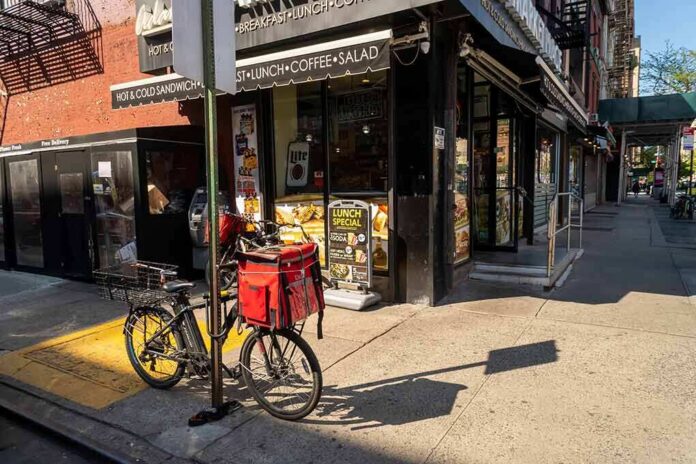
Most corner stores and small supermarkets run on razor-thin profit margins, often just 2% to 3%. They pay rent, property taxes, utilities, and workers out of those slim earnings. When the city opens a store next door that does not pay rent and can afford to slash prices by nearly one-third, bodega owners say the math simply does not work. Frank Garcia, who chairs the Multicultural Business Coalition that represents immigrant entrepreneurs, warns the city’s discount plan would “put our businesses out of business” because customers will naturally chase the cheaper cart. For many owners, this is not an abstract policy debate; it is about keeping the lights on and paying workers in neighborhoods already under strain.
Immigrant Business Coalition Takes the Fight to Court
A group of immigrant-led businesses has now filed suit against New York City, arguing that Mamdani’s grocery plan creates unfair competition and threatens their survival. The Multicultural Business Coalition, which includes local grocers and bodegas, had already voted to sue and started raising at least $1 million to fund the legal battle. Garcia says the effort should be nonpartisan, stressing that these are small business owners trying to protect what they built, not party activists. Another vocal opponent, the United Bodegas of America, represents many of the corner stores that define daily life in working-class areas. Their members say a city store with 30% discounts, built on city land and spared market rents, could pull away enough customers to force closures, especially in low-income neighborhoods where every dollar counts.
The lawsuit’s exact claims and case number have not yet been fully detailed in public reporting, but the core argument is clear: the city is using taxpayer funds to create a special class of grocery store that private owners cannot fairly compete with. Opponents also say city officials have already been inside their shops asking for “sensitive” business information, like best-selling items and profit margins, as the plan moved forward. That kind of data, in their view, could help the city design stores that target their most profitable products and cut into their customer base even faster. They see this as the government not only entering the market, but studying them like a competitor before doing so.
Food Prices, Fairness, and Growing Distrust of Government Power
Supporters of Mamdani’s plan point to the brutal cost of food in New York City and argue the market has failed many families. They say many neighborhoods lack full supermarkets, and working people should not have to choose between paying rent and buying fresh food. From that angle, city-run stores look like a fix: use public money to push prices down and make sure every household can afford basic groceries. This fits a larger national trend where leaders justify big government moves as answers to rising costs and widening gaps between rich and poor.
bodega stores in NYC should file a class action lawsuit
at 30% off retail that is selling below cost & is illegal…@JonathanTurley as govt will put them out of business
— Common Sense Project (@BillHuntKS) July 28, 2026
But the pushback from immigrant business owners also taps into a broader frustration shared by many conservatives and liberals: a sense that government power is now large enough to pick winners and losers in the economy. When City Hall can decide to build “freebie” or deep-discount stores next to long-standing private shops, it raises fears of a tilted playing field, not a fair one. Many of these bodegas were once praised as symbols of neighborhood life; now they feel targeted by the same leaders who claim to support them. In a time when people across the spectrum worry about “elites” and a distant bureaucracy, a city project that risks wiping out immigrant-owned corner stores only deepens the belief that the system favors the powerful and leaves everyday strivers to fend for themselves.
Sources:
twitchy.com, townhall.com, nypost.com, nytimes.com, abc7ny.com, youtube.com