
Amid intensified ICE operations, allegations of racial profiling and chaotic arrests spark controversy, highlighting tensions between federal authorities and local governments.
Story Highlights
- Vice President JD Vance defends ICE operations amid accusations of racial profiling.
- ICE’s aggressive enforcement tactics lead to claims of wrongful detentions of U.S. citizens.
- Vance criticizes Democrats for non-cooperation and attributes chaos to resistance.
- Protests erupt in Minneapolis following controversial ICE actions.
Vance Defends ICE Amidst Controversy
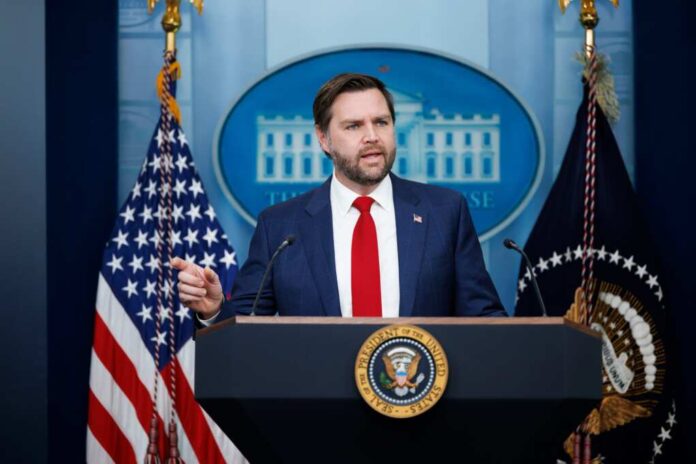
On January 22, 2026, Vice President JD Vance defended the aggressive ICE operations in Minneapolis during a press conference. The enforcement actions have drawn criticism for allegedly targeting nonwhite citizens and causing chaos during arrests. Vance attributed the arrest of U.S. citizens to assaults on officers rather than immigration violations. He also promised investigations into racial profiling claims while criticizing local officials and Democrats for their lack of cooperation, which he believes exacerbates the situation.
Vance’s remarks come after ICE conducted widespread crackdowns, resulting in nearly 200 U.S. citizen detentions nationwide. These actions have sparked significant backlash, with reports of beatings and racial profiling, particularly in immigrant-rich Minneapolis. The city, known for its sanctuary policies, has resisted federal immigration enforcement, leading to heightened tensions and protests. Local law enforcement has raised concerns about profiling affecting their off-duty officers, further complicating the situation.
BREAKING: JD Vance gets instantly fact checked into oblivion when he denies that ICE is racially profiling people based on skin color: A police chief said his own off-duty officers of color were profiled!
The truth matters.pic.twitter.com/QC4Kz8EvWl
— Really American 🇺🇸 (@ReallyAmerican1) January 22, 2026
Local Tensions and Protests Escalate
The recent enforcement operations have intensified the existing tensions between federal authorities and local governments, especially in sanctuary cities like Minneapolis. Protests have erupted, fueled by incidents such as the brief detention of a 5-year-old U.S. citizen, caught in the crossfire when ICE agents arrested his undocumented father. The incident has become a flashpoint, with critics accusing ICE of overreach and systemic racial profiling, while Vance maintains that the chaos stems from resistance to lawful enforcement.
The ongoing controversy has polarized public opinion, with some supporting the strict enforcement of immigration laws and others decrying the perceived erosion of civil liberties and due process. The Trump administration’s policy shift towards more aggressive ICE tactics contrasts sharply with the Biden era’s more restrained approach, which had focused primarily on border enforcement.
Impact on National and Local Politics
As the debate over ICE’s tactics continues, the political implications are significant. The ongoing controversies are likely to influence the 2026 midterm elections, with immigration policy at the forefront of political discourse. Vance’s criticism of Democrats as obstructing justice plays into a broader narrative of law and order, which resonates with conservative voters. However, the allegations of racial profiling and wrongful detentions may mobilize opposition, especially in states with large immigrant populations.
The situation also highlights the broader challenges facing immigration enforcement in the United States. The balance between national security and individual rights remains a contentious issue, with federal and local authorities often at odds over the best approach. As ICE operations continue, the administration’s handling of the situation will likely face continued scrutiny from both supporters and critics.
https://youtu.be/SWBWKKUSauw?si=_M1hehP-Y-i2qY-v
Sources:
JD Vance: Nonwhite Citizens Targeted by ICE Must Have Done Something
Full Transcript: Vice President J.D. Vance Answers Questions About ICE Enforcement of Federal Immigration Laws