President Trump declared Cuba a “failed nation” while offering Havana a path to negotiate, but only after severing the communist regime’s economic lifeline.
Story Overview
- Trump labels Cuba a “failed nation” amid severe fuel shortages and blackouts, urging the regime to negotiate a deal with the United States
- U.S. capture of Venezuelan dictator Nicolás Maduro in January 2026 severed Cuba’s primary oil supply, triggering what experts call the “2026 Cuban Crisis”
- Executive Order imposes tariffs on any country providing oil to Cuba, enforcing a “total blockade” on oil and money to pressure the communist regime
- Trump rules out military intervention while Senator Marco Rubio conducts direct negotiations with Havana on behalf of the administration
Trump’s Economic Pressure Campaign Against Communist Regime
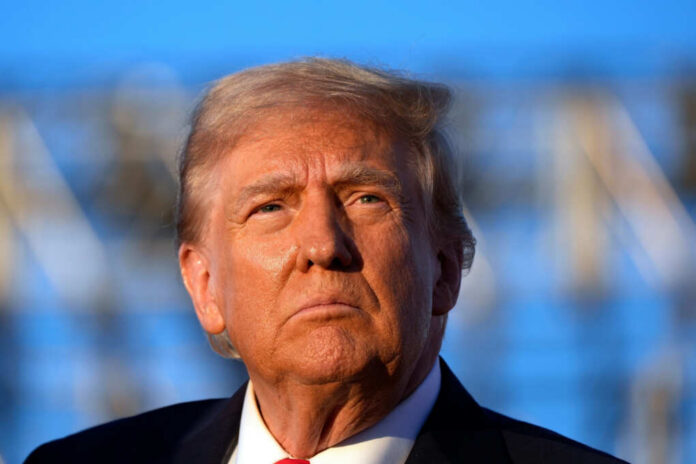
President Donald Trump declared Cuba a “failed nation” aboard Air Force One in late January 2026, describing the island’s deteriorating conditions as a “humanitarian threat.” The President emphasized ongoing talks with Havana through Senator Marco Rubio while simultaneously tightening the screws on Cuba’s collapsing economy. Trump made clear his intentions: “We’re talking to Cuba right now… no oil, no money, no anything” unless the regime agrees to negotiate a deal.
Watch:
Venezuela Operation Severs Cuba’s Economic Lifeline
The crisis intensified dramatically following the January 3, 2026, U.S. military operation that captured Venezuelan President Nicolás Maduro, effectively cutting off Cuba’s primary source of oil imports. This decisive action against another hostile regime in the Western Hemisphere demonstrated Trump’s commitment to confronting America’s adversaries rather than tolerating their malign influence. The resulting fuel shortages have left Cuba without adequate jet fuel, caused widespread blackouts, and created severe transportation disruptions across the island. This represents a clear example of how Trump’s “America First” foreign policy holds totalitarian regimes accountable for their actions.
Executive Order Enforces Total Economic Blockade
Trump signed an Executive Order declaring a national emergency over threats posed by the Cuban government, authorizing tariffs on any nation attempting to provide oil to the island. The White House justified these measures by citing Cuba’s hosting of Russian signals intelligence facilities targeting U.S. security, providing safe haven for terrorist groups including Hezbollah and Hamas, persecuting political dissidents, and spreading communist ideology throughout the hemisphere. The State and Commerce Departments now possess authority to implement immediate consequences against countries that undermine U.S. sanctions enforcement. This aggressive stance protects American national security interests while supporting Cuban-Americans who have fled communist oppression for decades.
Diplomatic Negotiations Offer Path Forward
Despite the economic pressure, Trump ruled out a Venezuela-style military operation against Cuba, instead emphasizing diplomatic engagement through Senator Rubio’s direct talks with the regime. The administration’s dual approach combines maximum economic leverage with an open door for negotiation, giving Havana a clear choice between continued isolation or meaningful reforms. This strategy addresses legitimate concerns about humanitarian conditions while refusing to reward the communist dictatorship’s decades of hostility toward the United States. Cuban-Americans, particularly those with family still trapped on the island, stand to benefit from any deal that might facilitate reunification while dismantling the regime’s repressive apparatus.
Regional Implications and Long-Term Strategy
The Cuban crisis represents part of Trump’s broader strategy to confront hostile regimes across the Western Hemisphere and beyond, following similar decisive actions against Iran’s nuclear program and Venezuela’s dictatorship. Short-term implications include intensified humanitarian pressures on the Cuban population and potential migration concerns, while long-term outcomes could include regime weakening or fundamental policy changes in Havana. The tariff system sends a clear message to any nation considering undermining U.S. sanctions: there will be economic consequences for enabling America’s adversaries. This represents a complete reversal of the globalist policies that previously enriched hostile regimes while compromising U.S. national security and constitutional principles of protecting American citizens first.
Sources:
Trump says Cuba, a ‘failed nation,’ should make a deal with US – Asharq Al-Awsat
Congressional Research Service Report on Cuba Policy – Congress.gov