President Trump has ordered the US Navy to blockade the Strait of Hormuz, directly countering Iran’s extortionate grip on 20% of the world’s oil supply and risking a catastrophic energy crisis that could cripple American families already battered by high prices.
Story Highlights
- Trump’s immediate blockade targets all ships, including those paying Iran’s illegal tolls, following collapsed nuclear talks in Pakistan.
- Iran’s weeks-long mine-laying and restrictions have choked global oil flow, framed by the US as outright extortion.
- US naval superiority enforces free navigation amid fragile ceasefire, with threats to destroy Iranian mines and attackers.
- Potential naval clashes threaten oil price spikes, hitting US consumers hardest in an era of government overreach and elite failures.
Trump’s Decisive Response to Iranian Extortion
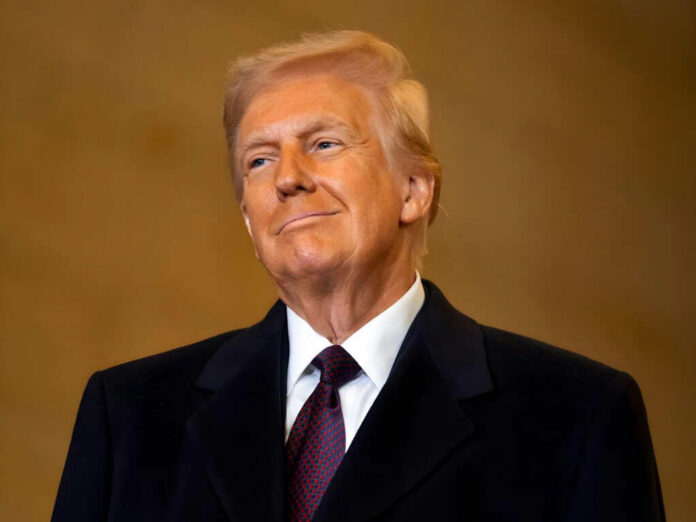
On April 12, 2026, President Donald Trump directed the US Navy to impose an immediate blockade on the Strait of Hormuz. The order targets every ship entering or exiting the vital waterway, including vessels paying tolls to Iran. Trump accused Iran of “world extortion” through mines and fees after peace talks in Islamabad collapsed over Iran’s refusal to concede on its nuclear program. US warships had already transited the strait for mine clearance the day prior. This action upholds free navigation principles central to American interests.
Background of Escalation in the Strait
More than six weeks before April 12, US and Israeli forces launched a bombing campaign that devastated Iran’s navy and nuclear enrichment sites. Iran retaliated by seeding the Strait of Hormuz with mines and imposing restrictions, effectively blockading the route carrying 20% of global oil. Iran allowed selective passage for toll-paying ships under its “smart management” strategy. A fragile two-week ceasefire held tenuously as mediators in Pakistan hosted marathon sessions where most issues aligned except nuclear demands. The strait remains a flashpoint since the 1980s Iran-Iraq Tanker War.
Key Players and Fragile Power Dynamics
President Trump leads the US response, posting the blockade order on Truth Social and vowing to “BLOWN TO HELL” any attackers. Iranian leaders, including Foreign Minister Abbas Araghchi and IRGC commanders, refused nuclear concessions and warned of a “harsh response” to US vessels, claiming ceasefire violations. The US Navy enforces interdictions with superior firepower against Iran’s asymmetric tactics. Pakistan mediated the failed talks, while potential allies eye coalition support. This pits American resolve for open seas against regime survival tactics.
As of April 12 evening, no engagements occurred, but US mine operations continue amid high traffic volumes. Iran maintains strait control claims through state media.
Trump Responds to Iranian Blockade of Strait of Hormuz By Blockading It https://t.co/LRVjShXXHL
— reason (@reason) April 12, 2026
Impacts on Energy Security and American Families
Short-term risks include naval clashes, sudden oil disruptions, and ceasefire collapse, spiking prices at US pumps. Long-term threats encompass full war escalation and a global energy crisis, reconfiguring supply chains. Oil importers in Asia and Europe face immediate hits, alongside Gulf states and shipping firms dodging tolls or interdictions. Energy markets turn volatile, defense stocks climb, but everyday Americans bear inflation from fiscal mismanagement and now foreign chokeholds—echoing elite failures to secure prosperity through hard work.
Sources:
Trump orders US Navy to block Hormuz Strait after Iran …
U.S. President Donald Trump has ordered a naval …
Trump says U.S. will blockade Strait of Hormuz after peace …
Le Monde: Trump says US to soon begin naval blockade of Strait of Hormuz