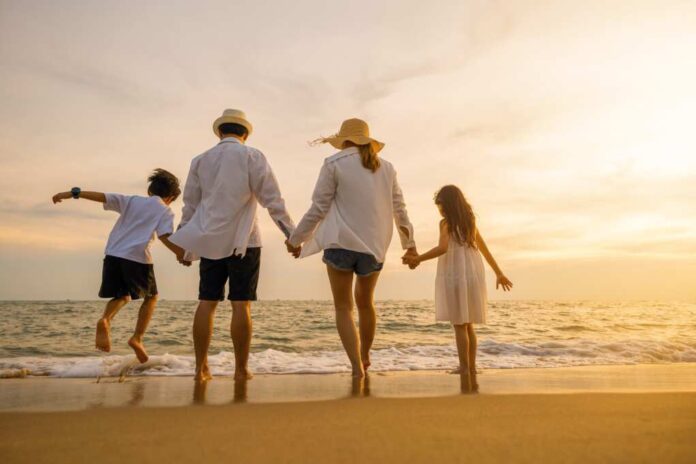
The quiet act of opting out of a family trip for solitude and self-care is gaining traction, challenging traditional family vacation norms.
Story Highlights
- Choosing solitude over family trips is a growing trend among exhausted caregivers.
- Opting out allows for necessary mental health breaks and personal reflection.
- Family dynamics may shift, sparking discussions around roles and expectations.
- This personal choice highlights broader cultural shifts towards self-care and autonomy.
Rising Trend: Choosing Solitude Over Family Vacations
In a world where family vacations are often seen as a non-negotiable tradition, a growing number of individuals are choosing to stay home for much-needed solitude. This trend reflects a shift in societal norms, where self-care and mental health are becoming paramount. For many, this opting out is not a sign of disengagement but a necessary step towards personal well-being, offering respite from the constant demands of family and career.
Research indicates that time spent alone, away from the hustle and bustle of family activities, can lead to significant psychological benefits. Studies on solo travel and solitude underscore the importance of autonomy and self-reflection, which can be achieved even within the familiar confines of one’s home. This choice challenges traditional expectations and highlights the need for more flexible family dynamics.
I stayed home while my family traveled because I needed a break. I loved my alone time. https://t.co/RMFtnrUCA7
— Jazz Drummer (@jazzdrummer420) January 10, 2026
Psychological and Relational Impact
Deciding to stay home can lead to a more profound understanding of personal needs and limits. It provides a space for reflection and recharging, which is crucial for maintaining long-term mental health. However, this decision can also stir mixed emotions among family members, who might feel abandoned or relieved by the change in routine. Addressing these feelings openly is vital for maintaining healthy relationships.
While family trips traditionally strengthen bonds, the absence of a member can encourage others to take on new roles, fostering growth and resilience within the family unit. This shift may lead to more equitable distributions of emotional and logistical responsibilities, challenging outdated norms.
Cultural Shifts Towards Self-Care
The increasing acceptance of self-care and mental health awareness has paved the way for individuals to prioritize their well-being without guilt. As cultural narratives evolve, the emphasis on constant togetherness is being re-evaluated, allowing for more personalized approaches to family participation. This change is not only reshaping family dynamics but also influencing broader societal norms on autonomy and rest.
The travel and mental health industries are beginning to acknowledge this shift, offering more tailored options for those who choose solitude over traditional vacations. This trend highlights a growing recognition of diverse needs and preferences, encouraging a more inclusive approach to leisure and family time.
Sources:
Benefits of Kid-Free Vacations
What Are the Psychological Benefits of Travelling Alone?
Family Travel Research
Leisure Travel and Mental Health