
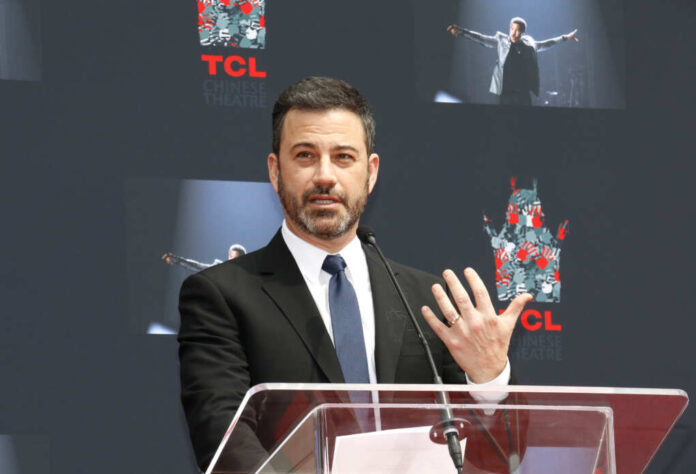
In a chilling development that echoes concerns about free speech, the FCC’s actions under Trump’s influence suspend Jimmy Kimmel’s show, spotlighting the ongoing battle over media freedom.
Story Snapshot
- Jimmy Kimmel’s show was suspended due to FCC pressure aligned with Trump’s agenda.
- FCC Chairman Brendan Carr targets networks critical of Trump.
- Concerns raised over First Amendment rights and media freedom.
- Potential long-term media consolidation and reduced viewpoint diversity.
The FCC’s Regulatory Power Under Trump
In early 2025, tensions between the Trump-aligned FCC and major broadcast networks escalated. Under Chairman Brendan Carr, the FCC has been leveraging its licensing authority to pressure networks critical of former President Trump. This led to ABC suspending Jimmy Kimmel’s show following public statements from Carr, warning networks about “operating in the public interest” as defined by the current administration. Kimmel, upon his suspension, relayed to his son that Trump was responsible for his absence.
This event is part of a broader pattern where the FCC, under Trump’s influence, is seen as intervening in media content, targeting shows that criticize the former president. The chilling effect is palpable, with networks facing threats of regulatory action, raising alarms about potential infringements on free speech and the First Amendment.
JUST IN: ABC Pulls Jimmy Kimmel Live Off Air Without Explanation
In September, Jimmy Kimmel Live! was briefly suspended after Kimmel unleashed an anti-Trump rant.
Now, it went off-the-air without further explanation…https://t.co/143aV2axme
— Kyle Becker (@kylenabecker) November 8, 2025
Impact on Media and Free Speech
The suspension of Kimmel’s show highlights the significant power dynamics at play between the government and media entities. The FCC’s actions, aligned with Trump’s agenda, have led to increased self-censorship among broadcasters, fearing punitive measures for content deemed unfavorable by the administration. This situation underscores concerns among free speech advocates and some lawmakers about potential violations of First Amendment protections.
Beyond immediate implications, the media landscape could face long-term changes, including consolidation of media ownership and diminished diversity of viewpoints. Nexstar, a major broadcaster, stands to benefit from relaxed ownership rules, potentially increasing pro-Trump influence. This shift could weaken the resilience of democratic institutions and erode public trust in the media.
Resilience of Democratic Institutions
The reinstatement of Kimmel’s show in September 2025 has not ended the controversy over the FCC’s role and media freedom. The media industry is bracing for continued regulatory intervention, with potential impacts on economic competition, political polarization, and social trust. The use of regulatory power to suppress dissenting voices sets a concerning precedent, prompting widespread debate about the balance of power and the future of free speech in America.
Experts warn that these developments signal a shift in the relationship between government and media, with potential authoritarian control through regulatory means. The Brookings Institution, a respected nonpartisan think tank, emphasizes the risk of undermining statutory protections against censorship, spotlighting the need for vigilance in protecting free speech as a cornerstone of democracy.
Sources:
Beyond Kimmel: The FCC Controversy Exposes a Larger Struggle Over Free Speech