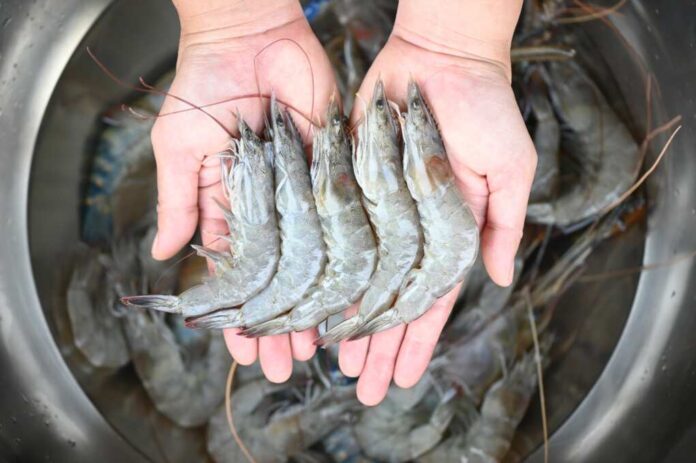
Foreign food contamination scandals expose how globalist trade policies endanger American families while devastating entire economies abroad, as radioactive Indonesian shrimp floods U.S. markets under Trump’s watch.
Story Snapshot
- FDA detected dangerous cesium-137 radiation in Indonesian shrimp sold at Walmart, Kroger, and other major retailers
- Contaminated seafood distributed across multiple U.S. ports before detection, raising questions about import screening failures
- Millions of Indonesian workers face economic devastation as U.S. bans all imports from major processor PT Bahari Makmur Sejati
- Investigation reveals contamination likely stems from recycled medical equipment or industrial scrap near processing plants
FDA Scrambles After Radioactive Contamination Reaches American Dinner Tables
The Food and Drug Administration issued urgent warnings in August 2025 after detecting cesium-137 contamination in Indonesian shrimp shipments from PT Bahari Makmur Sejati. U.S. Customs and Border Protection screening caught the radioactive material at multiple ports, but not before three contaminated batches reached Walmart shelves under the Great Value brand. The FDA immediately placed BMS on Import Alert 99-51, effectively banning all products from the Indonesian processor while recalls expanded across major retail chains.
Contamination Source Points to Industrial Safety Failures
International Atomic Energy Agency experts and Indonesian nuclear regulators traced the cesium-137 contamination to likely sources including contaminated scrap metal or recycled medical equipment near BMS processing facilities. This represents a catastrophic breakdown in industrial waste management and safety protocols that should never have reached food production areas. The radioactive isotope, produced by nuclear fission, poses significant chronic health risks including elevated cancer rates despite being below acute hazard thresholds according to health physicists.
Economic Devastation Spreads Across Indonesian Shrimp Industry
Indonesia’s shrimp export industry, which employs millions of workers, faces significant disruption as the United States suspended imports from major processor PT Bahari Makmur Sejati, according to Indonesia’s Ministry of Marine Affairs and Fisheries. The contamination scandal threatens to destroy livelihoods across rural Indonesian communities dependent on shrimp farming and processing. Export revenues critical to Indonesia’s economy hang in the balance as international confidence crumbles and stricter regulatory scrutiny looms over the entire seafood sector.
Global Trade Security Concerns Mount
The incident exposes fundamental weaknesses in global food supply chain oversight and international trade safety protocols. Consumer confidence in imported seafood has plummeted as recalls continue expanding beyond shrimp to include Indonesian spice exports also contaminated with cesium-137. This crisis underscores the risks of over-reliance on foreign food sources and the need for stronger domestic production capabilities to protect American food security from foreign contamination scandals.
The FDA is warning the public not to eat, sell or serve certain Great Value raw frozen shrimp sold at Walmart due to possible contamination with Cesium-137, a radioactive isotope. https://t.co/CrrZUHeEzz pic.twitter.com/tFcsuUu370
— ABC News (@ABC) August 19, 2025
Food safety experts emphasize this incident highlights critical gaps in international cooperation and traceability systems that leave American consumers vulnerable to foreign industrial failures. The Trump administration faces pressure to strengthen import screening and reduce dependence on potentially unsafe foreign food sources while managing diplomatic relations with affected trading partners.
Sources:
2025 radioactive shrimp recall
FDA finds radioactive contamination in Indonesian shrimp and spices
FDA advises public not to eat, sell, or serve certain imported frozen shrimp
2025 recalls frozen shrimp products associated with cesium-137 contamination