

A British woman who vanished from a beach in northern Greece was found dead over a month later, reigniting scrutiny over the country’s search protocols and mental health awareness for travelers.
At a Glance
- Michele Ann Bourda disappeared from Ofrynio beach in July
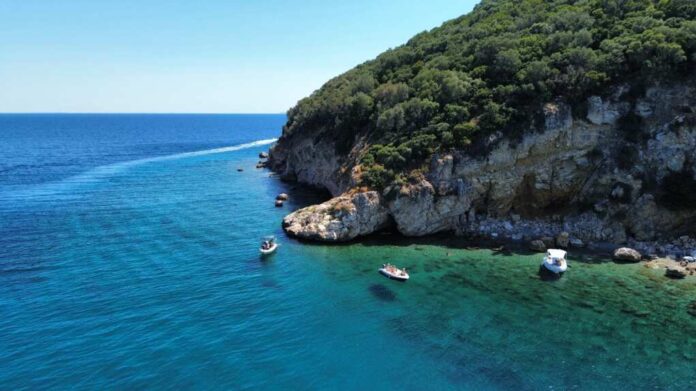
- Her body was discovered 40km away on Fidonisi island
- Greek authorities initially claimed she left voluntarily
- Family and media criticized delayed search efforts
- Mental health history now central to the investigation
A Vacation Turns Tragic
Michele Ann Bourda was vacationing with her husband in Ofrynio, a coastal town in northern Greece, when she suddenly vanished. Her personal belongings, including money and prescribed medication, were left unattended at the beach, a detail that immediately alarmed her family. Despite the clear signs of distress, Greek authorities initially theorized that she had wandered off of her own accord, a claim her husband, Chris Bourda, vehemently refuted.
Search efforts were reportedly delayed and sporadic, with rescue teams taking critical hours—if not days—to launch a coordinated response. The lack of urgency drew public backlash and compelled the British Embassy to issue missing person notices and step in to assist. The embassy’s involvement added diplomatic weight to the case and intensified scrutiny on the Greek authorities’ handling of the situation.
Watch now: Greek Search Crisis: What Went Wrong?
A Grim Discovery, Unanswered Questions
On the island of Fidonisi—located roughly 40 kilometers from the original disappearance site—Michele’s body was found more than a month after she went missing. Formal identification and an autopsy are still pending, but initial findings reportedly show no evidence of drowning. The absence of obvious causes of death has deepened the mystery and left both Greek and British authorities under pressure to provide answers.
The discovery reignited criticism of the Greek search and rescue system, particularly during the summer months when the country hosts millions of tourists. Critics have pointed to structural shortcomings in inter-agency coordination, resource allocation, and communication protocols as systemic flaws that may have hindered the search.
Broader Implications and Institutional Gaps
The tragedy has spurred broader conversations around the handling of mental health crises among international travelers. Michele reportedly had a history of severe depression and anxiety, details which should have influenced the urgency and design of the search efforts. Instead, the initial presumption that she left voluntarily may have delayed appropriate action during a critical window.
Advocacy groups and public health experts are calling for better integration of mental health data in emergency response protocols, particularly in tourism-heavy countries like Greece. Meanwhile, media coverage has played a pivotal role in sustaining public attention and driving institutional accountability. As the investigation continues and autopsy results are awaited, questions linger about whether Michele’s life could have been saved with a more coordinated, informed response.
Sources