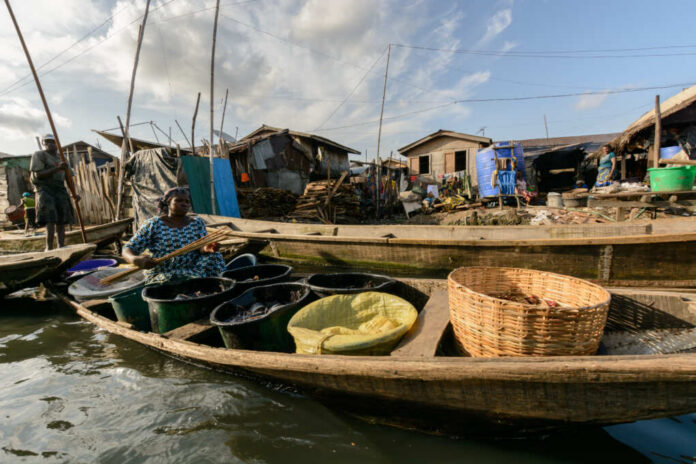
Thousands left homeless in Nigeria’s “Venice of Nigeria” as the government bulldozes a massive floating slum, raising alarms about heavy-handed state power mirroring globalist overreach conservatives have fought at home.
Story Snapshot
- Lagos authorities demolished wooden stilt homes in Makoko, displacing thousands without resettlement or compensation.
- Protests erupted on January 28, 2026, with police deploying tear gas against over 1,000 residents marching to the State House of Assembly.
- At least four deaths reported, including infants and an elderly woman, amid ongoing clearances as of January 29.
- Makoko, home to 200,000-800,000 primarily Egun fishermen, faced repeated evictions tied to safety risks from power lines and illegal builds.
Demolitions Begin in Late December 2025
Lagos State Government initiated demolitions of wooden stilt houses in Makoko, a historic floating community on Lagos Lagoon. Officials cited public safety due to structures’ proximity to high-voltage power lines and absence of legal permissions. The operation destroyed homes, schools, and fishing livelihoods central to residents’ survival. Thousands fled as machinery reduced the area to debris, with no announced aid or relocation plans. This action echoes patterns of forceful urban clearances without community input.
After a demolition in Makoko left families homeless, this film documents the aftermath through the voices of those affected 😢 pic.twitter.com/CXyQEUMoXt
— Cleverly 💐 (@Cleverlydey4u) January 21, 2026
Protests Met with Tear Gas Force
On January 28, 2026, over 1,000 Makoko residents protested the evictions, marching to the Lagos State House of Assembly demanding consultation and resettlement. Nigerian police responded with tear gas to disperse the crowd. Demonstrators highlighted destroyed family homes and lost livelihoods in the generational fishing settlement. Community leaders accused authorities of overriding resident rights, continuing a history of similar drives in over five nearby waterfront areas lacking alternatives.
Human Cost and Reported Deaths
Media reports from January 29 detailed at least four deaths linked to the operations, including two infants and an elderly woman allegedly from tear gas exposure. Families now shelter along lagoon edges amid health risks and flooding vulnerabilities. The Egun ethnic group, primary inhabitants, faces immediate homelessness and economic ruin from vanished trading and fishing economies. Short-term survival struggles compound long-term poverty without government support, underscoring social unrest.
Lagos’ rapid urbanization pits informal settlements against affluent developments nearby. Historical threats stemmed from environmental hazards and illegal construction, yet past evictions drew human rights criticism for forced removals. The government defends the moves for legality and safety, while residents and advocates decry inhumane displacement. This clash reveals power imbalances where state enforcement trumps negotiation, fueling political scrutiny on governance.
Broader Implications for Urban Policy
Makoko’s demolition highlights Nigeria’s informal housing crisis, influencing debates on waterfront redevelopment versus poverty cycles. Long-term, the site may see urban projects, but without resettlement, displaced thousands risk entrenched hardship. Community views frame this as part of a non-isolated eviction pattern lacking due process. Conservatives watching global affairs see parallels to unchecked government authority eroding individual livelihoods, a reminder to safeguard property rights everywhere.
https://youtu.be/TD–N7ISbBg?si=6we01UL0QEHkS7vL
Sources:
Lagos Protesters Denounce the Destruction of Floating Makoko Slum