President Trump has extended a fragile ceasefire with Iran while maintaining a punishing naval blockade that squeezes the Islamic Republic’s economy—a move that demonstrates both diplomatic flexibility and unwavering American leverage in the face of Tehran’s violations and internal chaos.
Story Snapshot
- Trump extended the U.S.-Iran ceasefire on April 21, 2026, via Truth Social posts after accusing Iran of numerous ceasefire violations
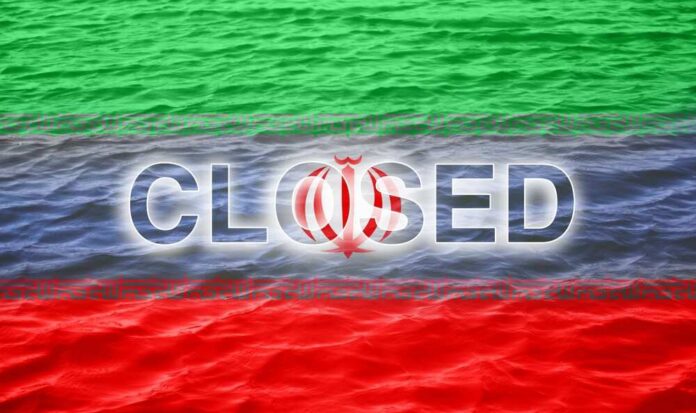
- The U.S. naval blockade of Iranian ports near the Strait of Hormuz remains firmly in place, costing Iran an estimated $500 million per day in lost oil revenue
- The extension aims to give fractured Iranian leadership time to present a unified proposal for nuclear negotiations, while maintaining maximum pressure
- Iran’s internal power struggle between IRGC hardliners and civilian negotiators has stalled peace talks and prevented a cohesive response to U.S. demands
Strategic Extension Amid Violations
President Trump announced the ceasefire extension on April 21, 2026, through Truth Social, explicitly stating that Iran had violated the original April 8 ceasefire “numerous times.” The extension came at Pakistan’s request and provides Iran additional time to develop a unified proposal for nuclear talks. Trump directed the U.S. military to continue the blockade of Iranian ports near the Strait of Hormuz while extending the ceasefire until Tehran submits its proposal. This dual approach reflects a calculated strategy: offer diplomacy while maintaining economic pressure that Iran cannot ignore.
Blockade Maintains Maximum Pressure
The U.S. naval blockade remains the cornerstone of Trump’s leverage strategy, choking off Iran’s oil exports and costing the regime approximately $500 million daily in lost revenue. Iran has consistently demanded the blockade’s removal as a precondition for meaningful negotiations, viewing it as a violation of the ceasefire itself. Trump, however, sees the blockade as essential compensation for extending the ceasefire and as insurance against Iranian bad faith. This stance aligns with conservative principles of peace through strength—extending an olive branch while keeping the military option ready and economic pressure dialed to maximum.
Iranian Leadership Fractures Complicate Talks
Iran’s inability to present a unified negotiating position stems from deep fractures between the Islamic Revolutionary Guard Corps commanders who effectively rule the country and civilian negotiators like Foreign Minister Abbas Araghchi. U.S. officials confirm that IRGC hardliners disagree fundamentally with their civilian counterparts, preventing Tehran from formulating coherent proposals. This internal chaos has left Iranian military and police forces unpaid and the economy in dire straits, creating additional domestic pressure on the regime. The leadership struggle also explains Iran’s contradictory responses, including claims that the extension is a “ploy for surprise strike” followed by unspecified “aggressive action.”
Regional Mediators Scramble for Resolution
Pakistan emerged as the lead mediator requesting the ceasefire extension, with Qatar continuing its role from the initial April 8 ceasefire that followed the Twelve-Day War. Vice President JD Vance had planned a trip to Pakistan to facilitate negotiations, but the trip was canceled as the situation remained fluid. These mediators face the challenge of bridging not just U.S.-Iran differences, but also Iran’s internal divisions. For American taxpayers watching another Middle East engagement unfold, the involvement of regional powers to broker peace offers hope that U.S. forces might avoid prolonged entanglement while still securing national security interests.
President Trump extends the ceasefire with Iran, but the U.S. blockade remains firmly in place, Bill Melugin reports. pic.twitter.com/2y3Zb1glTj
— Alex West (@west_alex1776) April 22, 2026
Economic and Strategic Stakes
The blockade’s impact extends beyond Iran’s borders, affecting global energy markets and Gulf shipping routes. Oil prices have remained volatile as traders assess the risk premium from potential Strait of Hormuz disruptions. Defense sector stocks have risen on continued military readiness. For Americans still frustrated by high energy costs from previous administrations’ renewable energy mandates, this situation underscores how Middle East instability directly affects gas prices at home. Trump’s approach seeks to resolve Iran’s nuclear ambitions without committing to another endless war—a goal that resonates with citizens across the political spectrum who believe Washington too often sacrifices American interests for globalist interventions. The administration maintains that a nuclear-armed Iran poses unacceptable risks, making this pressure campaign necessary despite short-term economic turbulence.
Sources:
Live Updates: Trump accuses Iran of ceasefire violations – Fox News
Trump gives Iran days to end power struggle, return to peace talks – Axios
US-Iran peace talks LIVE updates: After Trump extends ceasefire – Hindustan Times
Twelve-Day War ceasefire – Wikipedia