
California politicians who once preached “believe women” just rushed to erase César Chávez’s name from a state holiday—proving how fast hero worship collapses when ugly facts hit daylight.
Story Snapshot
- California lawmakers unanimously renamed César Chávez Day to “Farmworkers Day,” with the change taking effect immediately for the March 31 observance.
- The renaming wave follows a New York Times investigation alleging Chávez sexually abused women and girls in the 1960s–1970s, including an account from co-founder Dolores Huerta.
- Los Angeles leaders and public institutions are moving to rename buildings, programs, and events while keeping farmworker recognition intact.
- The shift exposes a familiar pattern: public money and public calendars get rewritten quickly, while deeper accountability questions move slowly.
California Scraps the Name, Keeps the Holiday
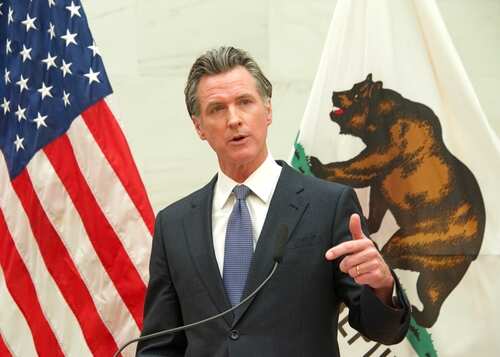
California’s Legislature moved with rare speed and unanimity to remove Chávez’s name from the state holiday, renaming it “Farmworkers Day.” Reports said the state Senate vote was 37-0 and the bill took effect immediately, setting up March 31 as the first observance under the new title. Supporters framed the change as a way to honor agricultural laborers broadly while separating the movement’s legacy from the man now facing renewed, serious allegations.
The political velocity is striking because holiday renaming typically drags through committees, public comment, and competing interest groups. Here, elected officials treated the moment as urgent, not optional, after allegations detonated across legacy media and local government. For many voters—especially taxpayers wary of constant symbolic rewrites—the bigger question is what else follows: name changes across public property, education systems, and state branding, all of which usually come with administrative cost and bureaucratic process.
The Catalyst: Allegations and a Movement in Crisis
The rebranding push accelerated after a New York Times investigation reported allegations that Chávez groomed and sexually abused women and girls during the 1960s and 1970s. Multiple outlets also reported that Dolores Huerta, now 95 and long celebrated as a co-founder of the United Farm Workers, said she was abused by Chávez decades ago. Public officials who previously praised Chávez described the claims as devastating, pushing agencies to distance themselves fast.
Several institutions chose a middle path: keep events, slogans, and the farmworker mission, but delete the Chávez branding. Reports described committees and civil rights groups continuing March 31 programming while adjusting logos and names, sometimes retaining “Sí, se puede” messaging. That approach aims to prevent a full collapse of the farmworker recognition calendar. It also reflects a familiar institutional instinct—reduce reputational risk first, then sort out what justice or restitution may require later.
Los Angeles and Schools Move Toward Renaming Public Spaces
Los Angeles became a central battleground for how quickly government can change public-facing symbols. Reports said LA County and LAUSD voted March 24 to rename the holiday locally and begin processes affecting buildings and schools, with audits and review timelines described as short-term. Separate reporting said Los Angeles leaders reached out to the Chávez family and indicated support for renaming, while the broader community process for physical changes is expected to stretch into 2026.
Colleges also began backing away from Chávez-related branding. Reports described universities renaming conferences and programs, removing names from awards, and even covering statues. This matters beyond campus politics because public universities often operate as cultural signalers for state and local agencies. When a flagship institution changes a name, downstream school districts and civic organizations often follow, creating a cascade of new signage, revised materials, and policy updates funded indirectly through tuition and taxes.
What’s Known, What’s Not, and What the Public Should Watch
The core facts across outlets align on timing and response: the New York Times report was the spark; state lawmakers acted quickly; and local governments and institutions are now implementing renaming plans. Uncertainties remain. Reports pointed to potential legal exposure for the UFW tied to abuse allegations, but outcomes and scope are not resolved. Public processes—especially for school and facility renaming—can bring disputes over final names, costs, and community priorities.
For conservatives tired of elite-driven narratives, this episode is a reminder to demand consistency and transparency. If the allegations are credible enough to rewrite a state holiday overnight, they are credible enough to justify clear answers about institutional responsibility, safeguarding failures, and any public dollars that may be spent cleaning up the mess. The safest civic ground is simple: honor the dignity of farm work without turning any political icon into an untouchable saint.
Sources:
Swift and widespread, efforts to rebrand Cesar Chavez Day are fueled by emotion and duty
Cesar Chavez Day is no more: California lawmakers officially scrap the holiday name
Calls remove Cesar Chavez from buildings, parks, roads
Colleges back away from Cesar Chavez
LA renaming Cesar Chavez holiday, buildings after abuse allegations