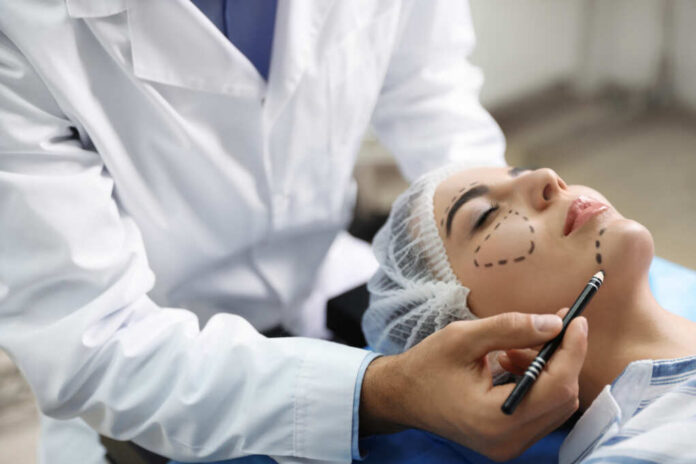
When “self-expression” turns into a partner-driven push for extreme cosmetic surgery, the real story is the risk—medical, emotional, and cultural—hiding behind the Barbie branding.
Story Snapshot
- Online “human Barbie” stories blend entertainment with high-stakes medical realities, including repeat procedures and serious complications.
- Available research does not confirm the specific claim that a partner “turned” someone into a real-life Barbie and that she “nearly died” in surgery.
- Public examples show the scale of elective procedures and money spent, highlighting an industry where incentives don’t always align with patient long-term health.
- The broader debate touches family values, personal responsibility, and whether modern culture encourages risky body modification as a status symbol.
What We Can Confirm From the Available Research
The specific headline-style premise—“My man is turning me into his real-life Barbie but I nearly died in surgery”—is not supported by the research provided. The supplied notes explicitly state the search results did not contain information matching that relationship dynamic or a near-fatal complication tied to it. Instead, the research centers on two widely reported “human Barbie” figures: Tara Jayne McConachy and Jessica Alves, both known for extensive elective cosmetic procedures.
Those two cases share a common theme: intentional, repeated cosmetic alteration presented as identity and lifestyle. Tara Jayne McConachy, described as an Australian nurse, has reportedly spent about $200,000 on procedures, including multiple breast augmentations and nose jobs, and appeared on the show Botched. Jessica Alves, a Brazilian-British television personality, is widely documented as having undergone more than 100 procedures and spending roughly £650,000, with public discussion around shifting from a “Ken doll” persona to “Barbie.”
'My man is turning me into his real-life Barbie but I nearly died in surgery' https://t.co/PaumEEIqFR #sex #relationships #health pic.twitter.com/XUHE2dBbDc
— Hush (@hushdirectory) January 31, 2026
The “Real-Life Barbie” Trend and the Incentives Behind It
The best-supported takeaway from the sources is not a single boyfriend-driven storyline, but the cultural and media ecosystem that rewards extremes. Reality TV, viral clips, and sensational headlines turn elective surgery into bingeable content, while the patient bears the health risks. Even when procedures are voluntary, the constant public attention can create pressure to maintain a brand. For conservative readers, the concern is straightforward: culture pushes identity performance while downplaying consequences.
Medical specifics about “nearly dying” are not established in the provided citations, so any detailed claims about surgical complications would be speculation. Still, common sense applies: repeated operations raise exposure to anesthesia, infection risk, and the possibility of revision cycles. When a story is packaged as quirky entertainment—“human doll,” “real-life Barbie”—it can obscure the seriousness of what is, in reality, invasive medical intervention that should demand sober decision-making, not online applause.
Relationship Pressure Claims: What’s Missing and Why It Matters
The most provocative element in the headline is the implied coercion: a partner “turning” someone into a doll-like ideal. The provided research notes directly say the available results did not match that premise and lacked relationship details, statements from involved parties, and verifiable medical records. Without those elements, readers should treat the partner-pressure angle as unverified. Responsible analysis requires separating what is documented from what is click-driven framing.
That gap matters because relationship coercion—if proven—changes the story from lifestyle choice to potential exploitation. Conservatives tend to read these situations through the lens of family stability and personal dignity: a healthy relationship should not demand self-harm, financial ruin, or medical roulette to satisfy another person’s preferences. But because the evidence provided doesn’t substantiate the claim, the only defensible conclusion is that the research set is incomplete for that specific narrative.
A Bigger Cultural Argument: Freedom, Responsibility, and “Woke” Body Politics
Americans have broad personal freedom to make choices about their bodies, including cosmetic procedures. The conservative concern is what happens when the culture treats risky, expensive transformation as empowerment while discouraging judgment or restraint. In a post-Biden political climate, many voters are exhausted by elite messaging that celebrates extremes and labels skepticism as “shaming.” The documented “human Barbie” cases show how quickly this becomes identity marketing, not just personal preference.
The available sources also highlight how internet-era storytelling can blur fact and performance. When someone’s image becomes their income stream, the incentives push toward ever more dramatic change—and media outlets often follow the most clickable angle. Until more direct reporting is provided on the “my man turned me into Barbie” claim, readers should focus on what’s confirmed: extensive elective surgery exists, it can become a lifestyle, and the public should not treat it as consequence-free entertainment.
https://www.youtube.com/watch?v=yrnUHXXSJVw
Sources:
they call barbie a human doll, the 33-year-old nurse Tara-Jayne has spent over 180 thousand euros to completely change her appearance
Jessica Alves