A new airline policy threatens passenger rights, sparking outrage among travelers.
Story Highlights
- American Airlines forced a passenger to check a carry-on, resulting in a $10K loss.
- The passenger, Stafford Gordon, seeks adequate compensation beyond the $1,272 offered.
- Experts advise pursuing small claims under the Montreal Convention for better compensation.
Forced Gate-Checking: A Growing Concern
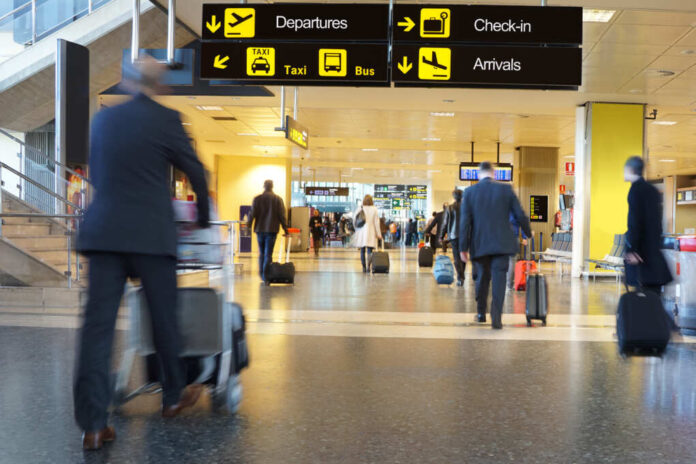
Stafford Gordon, an Oshawa resident, experienced a significant loss when American Airlines forced him to check his carry-on bag on a flight to Jamaica in August 2025. Despite adhering to carry-on policies, Gordon’s bag containing luxury watches and jewelry worth $10,000 was lost upon arrival. The airline’s offer of $1,272 in compensation fell short of the value of the lost items, sparking a legal battle.
Gate-checking policies, often enacted during high travel seasons, have led to numerous complaints from passengers who find themselves in similar predicaments. The practice of forcibly checking bags, despite space being available, raises concerns over passenger rights and the liability airlines should bear when items are lost under their control.
Advocacy and Legal Recourse
Air Passenger Rights advocate Gabor Lukacs advises Gordon to pursue small claims under the Montreal Convention, which could potentially result in a payout exceeding $3,000, provided the value of the lost items is proven. This legal framework establishes that airlines are liable for checked baggage, a fact that many passengers are unaware of until they face such losses.
CTV News has highlighted this case, prompting a public discourse on passenger rights and the accountability of airlines in safeguarding luggage. The media exposure has applied pressure on American Airlines to reevaluate its compensation policies and ensure fair treatment of passengers.
Implications for Air Travel
The outcome of Gordon’s case could set a precedent for future claims related to forcibly checked luggage. If successful, passengers may gain a stronger foothold in claiming compensation for lost items, reinforcing the need for airlines to adhere to fair practices. This incident also underscores the importance of documenting valuables and understanding legal rights when traveling.
The broader implications for the airline industry include a potential shift in how gate-checking is managed, aligning policies more closely with passenger rights and expectations. As travelers become more aware of their rights, airlines may face increased scrutiny and pressure to improve handling and compensation procedures.
Sources: