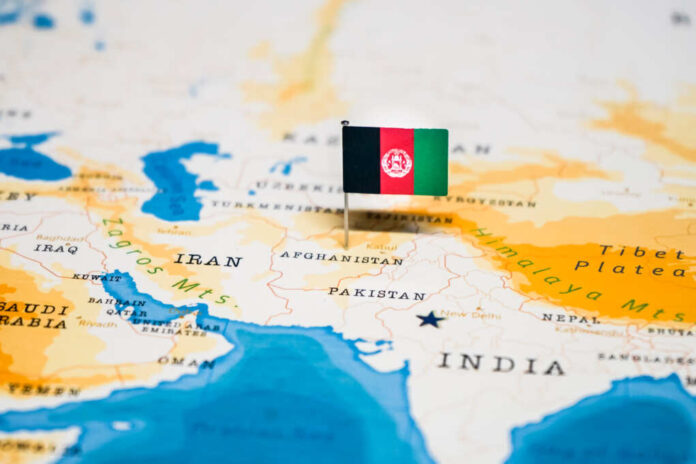
The Taliban have plunged Afghanistan into digital darkness with a nationwide internet blackout, revealing the high cost of unchecked authoritarianism.
Story Highlights
- Taliban authorities abruptly cut off all internet and telecommunications nationwide, citing moral and technical reasons, but offering no credible evidence.
- The blackout has paralyzed Afghan society, halting business, education, and humanitarian aid, with women and girls hit hardest.
- International condemnation is mounting as the Taliban tighten their grip on information, raising alarms about the dangers of unchecked global authoritarianism.
- This move exposes the fragility of progress in regions where extremists seize power.
A Sudden Descent Into Digital Darkness
On September 29, 2025, the Taliban de facto government ordered a total shutdown of Afghanistan’s internet and telecommunications networks—mobile and fiber-optic services alike. The regime claimed the action was necessary to prevent “misuse of the internet” and “immoral acts,” but international observers immediately recognized it as a brazen attempt to control information and suppress dissent. No prior warning was given to citizens or humanitarian organizations, leaving millions abruptly isolated and unable to communicate, conduct business, or access vital services.
Internet watchdogs confirmed that within hours, online activity in Afghanistan dropped to less than 1% of normal levels, effectively severing the country from the global digital economy. The shutdown marks the first nationwide blackout under Taliban rule, signaling a dramatic escalation in the regime’s campaign to erase freedoms that Afghans had gained in the past two decades. For conservatives who value individual liberty and limited government, this development is a stark reminder of what happens when extremists are allowed to govern without checks or accountability.
WATCH: The Taliban ordered internet and mobile data services cut across Afghanistan, disrupting flights, financial services and aid operations, according to diplomatic and industry sources https://t.co/Gsr2eoFRQH pic.twitter.com/yT7IU8YZkN
— Reuters Asia (@ReutersAsia) September 30, 2025
Humanitarian and Economic Crisis Deepens
The immediate human cost of the blackout is severe. Afghanistan is already facing a dire humanitarian crisis, with nearly half the population dependent on international aid. The internet shutdown has disrupted the delivery of lifesaving assistance, as aid groups rely on digital communication to coordinate logistics and reach vulnerable communities. Healthcare services, already strained, now face additional barriers to patient care and emergency response.
Economically, the shutdown has paralyzed businesses, halted remittances—a critical source of income for many families—and left markets in chaos. Students, especially girls barred from attending school by Taliban edicts, have lost access to online education, further entrenching gender apartheid. The blackout also undermines the ability of Afghans to document and share abuses, making it easier for the regime to operate without scrutiny.
Watch: Nationwide internet blackout continues in Afghanistan
International Response and the Limits of Global Influence
As of October 1, 2025, the blackout remains in effect, with Taliban officials offering shifting and unconvincing explanations. While the regime claims the outage is due to technical upgrades, they have provided no evidence to support this assertion. International human rights organizations, including Amnesty International, have condemned the move as “reckless” and “disproportionate,” warning of severe humanitarian consequences and a violation of basic rights.
The United Nations and Western governments have called for an immediate restoration of internet access, but their leverage is limited. The Taliban’s near-total control over Afghanistan’s infrastructure and their indifference to international pressure underscore the challenges of promoting liberty in regions dominated by authoritarian regimes. For conservatives who prioritize national sovereignty and realistic foreign policy, the crisis highlights the importance of strong borders, selective engagement, and the limits of international institutions in confronting determined extremists.
Sources: