
Israel paused this week to mark three years since Hamas fighters killed about 1,200 people and dragged 251 hostages into Gaza, an attack one top Israeli general admitted his own military failed to stop.
Story Snapshot
- Israel held its official memorial day on October 5, 2026, following the Hebrew calendar, while public ceremonies also took place on October 7.
- President Isaac Herzog and first lady Michal Herzog lit a memorial candle at 6:29 a.m., the exact time the 2023 attack began.
- Israel’s military chief publicly admitted the armed forces failed to protect citizens and called for a formal investigation.
- Dozens of ceremonies, school events, and testimony sessions were held nationwide, alongside flag-lowering at Mount Herzl.
Nation Observes Memorial Day On Hebrew Calendar Date
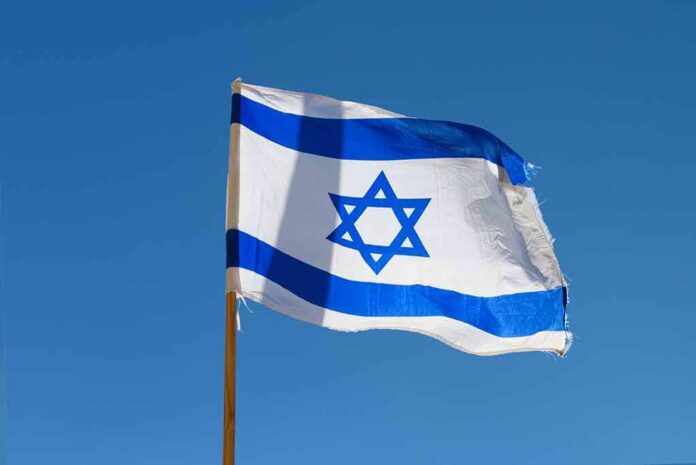
Israel’s state memorial day fell on October 5 this year, not October 7, because the official remembrance follows the Hebrew calendar date of Tishrei 24 rather than the Gregorian anniversary. Flags across the country were lowered to half-mast, and national ceremonies took place at Mount Herzl in Jerusalem. Prime Minister Benjamin Netanyahu said, “The nation unites on this day in the longing for our dear ones,” according to Reuters.
President Herzog and his wife opened the commemorations by lighting a memorial candle at 6:29 a.m., the precise moment the Hamas-led attack began three years earlier. Herzog said Israel remembers “the women, the men, the children, the infants, the elderly, the civilians and the soldiers who were murdered and fell in the terror attack and war,” and he saluted those “wounded in body and soul,” according to JNS.
Death Toll And Hostage Numbers Remain Consistent Across Reports
News organizations covering the anniversary have repeatedly confirmed the same core numbers. NPR reported the attack “killed 1,200 people” and saw “251 taken hostage,” while Euronews cited a United Nations inquiry that confirmed 1,200 deaths and 252 hostages taken. Those figures have held steady across three years of reporting, giving the public a clear and consistent factual record of the scale of the attack that triggered the ongoing war in Gaza.
Commemorations spread well beyond the capital. The Jerusalem Post and other outlets reported dozens of ceremonies nationwide, including school programs, survivor testimony sessions, and local memorial events in addition to the state ceremony at Mount Herzl. The breadth of these observances shows a country collectively marking the anniversary, not a single isolated government event, with communities large and small holding their own remembrances for neighbors and family members lost.
Military Leader Admits Failure, Calls For Investigation
Israel Defense Forces Chief of Staff Lieutenant General Eyal Zamir delivered a blunt public admission during the commemorations. “The IDF failed in its supreme mission to protect the citizens of the State of Israel,” he said, calling for a formal investigation and for the military to learn lessons from what went wrong, according to The Media Line. His comments kept questions about institutional failure at the center of a week otherwise focused on mourning victims and honoring survivors.
That admission matters because it comes from the military’s top officer, not an outside critic. Coverage of the anniversary notes continued public calls for an independent inquiry, something the research package indicates Netanyahu has so far resisted in the form some have requested. For families who lost loved ones, unanswered questions about how the attack succeeded can weigh as heavily as the grief itself, and many are demanding accountability alongside remembrance.
Calendar Difference Creates Two Distinct Commemoration Dates
The gap between the Hebrew-calendar memorial day and the Gregorian anniversary date created two separate commemoration moments this year. DW reported the official memorial fell on October 5 “due to the Hebrew calendar, which is lunisolar,” while civilian ceremonies, including a large gathering reported by other outlets, took place on October 7 itself. International audiences following the Gregorian calendar saw coverage centered on October 7, even though Israel’s formal state observance had already occurred two days earlier.
That split reflects a 2024 decision by Israeli lawmakers to anchor the annual remembrance to a fixed Hebrew date rather than the Western calendar, a choice that repeats every year regardless of which Gregorian date it lands on. The arrangement ties the memorial permanently to Jewish religious timekeeping, even as it occasionally creates confusion for outside observers trying to track a single, unified anniversary date each year.
Sources:
jns.org, abc7ny.com, jewishnews.co.uk, euronews.com, dw.com, jpost.com