

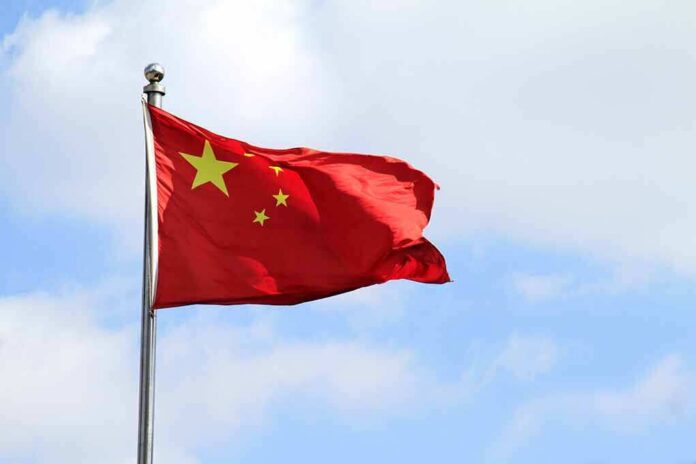
A respected independent tribunal found, beyond reasonable doubt, that forced organ harvesting in China has occurred for years and likely targeted Falun Gong prisoners on a large scale.
Story Snapshot
- An independent tribunal concluded forced organ harvesting occurred in China for at least two decades.
- The tribunal said Falun Gong detainees were probably the main source of organs.
- Major outlets reported the tribunal’s findings when they were released in 2019.
- Chinese officials have repeatedly denied the allegations and say they follow global standards.
What The Tribunal Concluded And Why It Matters
In 2019, the China Tribunal delivered a final judgment after months of hearings and review of evidence. The tribunal said it was certain forced organ harvesting took place in China and likely used Falun Gong prisoners as the main source. It said the practice happened in many places and continued for years. The panel used the legal standard of “beyond reasonable doubt.” Its chair was British barrister Geoffrey Nice, known for war crimes work.
The tribunal’s short-form conclusion stated the practice occurred on a significant scale and was ongoing at the time. It found the evidence strong enough to meet criminal law thresholds. The summary judgment repeated that the acts were not a one-off event or a single site problem. Instead, it said they formed a pattern over at least twenty years. These statements came from the tribunal’s own published documents, which remain available.
How The Findings Echoed Across Governments And Media
When the judgment came out, major international media covered the conclusions. Reports highlighted the claim that detainees, including Falun Gong, were used for organs. This pushed the issue into public debate beyond advocacy circles. Later, the European Parliament noted the tribunal’s findings in a formal resolution. It referenced the view that Falun Gong practitioners were one, and likely the main, source of organ supply. That added policy weight to the concerns.
United States congressional testimony, long before and after the tribunal, also described large-scale organ abuses. Witnesses in a 2012 hearing cited estimates of tens of thousands of Falun Gong deaths tied to organ extraction. The numbers vary by source, which creates uncertainty over the exact scale. Still, the direction of the claims is consistent. The thrust is that transplant volumes outpaced what voluntary donors could explain in key years.
China’s Official Response And The Evidence Gap
Chinese officials have denied the claims again and again. They say China follows World Health Organization standards and ended the use of executed prisoners’ organs in 2015. They have called accusations slander and disinformation. These denials are clear, but they do not open access to prison, hospital, or medical records for independent checks. That leaves an information gap that fuels mistrust across the world.
Thank you for asking this question.
I hope you have an opportunity to learn about the serious allegations and evidence concerning forced organ harvesting from Falun Gong practitioners in China under the CCP.
The World Organization to Investigate the Persecution of Falun Gong…
— Sophia Matthew (@sop59569) September 11, 2026
The strongest public record comes from the tribunal’s documents, media summaries, and hearings in democratic legislatures. Critics point out that the tribunal lacked subpoena power and did not have full access to Chinese records. Supporters answer that the pattern evidence, short wait times, and unmatched transplant capacity are enough to reach firm conclusions. Both views reflect a system where key data is held by a state that rejects outside inspection.
Why Americans Across The Spectrum Should Care
Americans worry when powerful systems hide data and dodge accountability. This case fits that fear. If a major country can run a large transplant industry without clear donor trails, it puts money over human life. That offends the values of due process, consent, and dignity that many on the right and left share. It also shows how elites can shield wrongdoing when records stay locked away from the public eye and from honest review.
Policy debates in Washington often stall, but this issue crosses party lines. Steps within reach include banning transplant tourism to suspect systems, mandating supply-chain due diligence for medical partnerships, and funding open-source analysis of hospital capacity versus known donors. Lawmakers can press for release of surgical logs and donor-source records. These actions do not need Beijing’s approval to start, and they help align medicine with ethics at home and abroad.
What To Watch Next
Watch for fresh disclosures from transplant centers, leaked medical records, or sworn statements by former staff. Look for independent audits that compare transplant volumes to verified donor data by year and province. Track whether United States and European policies tighten around data transparency and medical exchange with China. These steps would either confirm the tribunal’s picture or force a thorough review that resolves doubts with hard facts.
The bottom line is simple. The tribunal’s findings are stark, public, and specific, and they have stood for years without transparent rebuttal backed by records. China’s denials remain categorical but closed. Until full data opens, trust will not follow. The burden now sits with policymakers, medical leaders, and citizens to demand clarity and to act where they can, so no patient’s life depends on a hidden crime.
Sources:
thegatewaypundit.com, chinatribunal.com, en.wikipedia.org, euronews.com