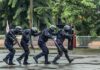
Masked protesters halted all traffic to the Port of Dover, choking a major trade artery and sparking a national security headache.
Story Snapshot
- Port of Dover said all traffic stopped during a public order incident.
- National Highways reported all routes blocked and a four-mile backlog.
- BBC described masked “stop the boats” protesters tying the action to migration.
- Police engaged protesters as port operations were disrupted.
What Happened On The Ground
Port of Dover officials said all traffic in and out of Britain’s busiest ferry port was stopped due to an “ongoing public order incident.” Reporters described masked men blocking routes that feed the port. National Highways, the road authority, said all access roads were blocked and a four-mile queue formed. Police engaged the protesters as the blockade held. The disruption froze freight and passenger flow at a vital gateway to mainland Europe, magnifying the impact beyond Kent.
Live updates from national outlets described masked “stop the boats” protesters as the face of the blockade. That slogan links the action to opposition to small-boat Channel crossings. Coverage focused on the transport chaos, the police response, and the message aimed at migration policy. While reporters showed images of large groups, they did not fix a precise headcount. The emphasis remained on blocked roads, halted port traffic, and the immediate strain on logistics and travel.
Why Dover Became The Target
Dover is a pressure point where a small group can create outsized shock. The port handles significant freight and passenger traffic, so a short road stoppage can ripple into backlogs, missed sailings, and business losses. That leverage attracts different protest movements. In past years, climate activists blocked Dover and drew dozens of arrests, prompting court injunctions to deter repeats of highway obstruction. The pattern shows why activists on any cause see Dover as a fast amplifier.
Authorities have wrestled with how to keep critical roads open while respecting protest rights. The High Court has granted targeted injunctions to protect major roads and access routes after earlier disruptions at Dover. These measures give police clearer tools to move people and vehicles when blockades threaten safety or commerce. The legal steps followed protests that caused queues and delays similar to today’s event, underscoring how courts and police balance rights with the need to keep traffic moving.
Public Order, Policing, And The Stakes
National Highways flagged the blocked routes and long queues, which signaled rising risks for stranded drivers and perishable cargo. Kent Police engaged with protesters near the chokepoints while port officials warned of halted operations. That triangle—road agency alerts, police engagement, and port shutdowns—shows how fast a local action becomes a national concern. When a key artery jams, delivery schedules slip, costs rise, and families and workers pay in time and money.
Saturday in Dover. The pictures being posted as “British patriots” show rows of people in black, many in balaclavas, standing across the roads into England’s busiest ferry port.
They chanted “stop the boats” and “whose streets?” National Highways said the blockade left about… pic.twitter.com/IYCqOLKotu
— Tojuverse (@Tojuverse) September 5, 2026
For viewers across the political spectrum, this incident hits familiar nerves. People who want firm borders see leaders failing to control migration. People who want stable services see the state unable to keep vital roads open. Both sides see institutions that react late and manage by crisis. Dover keeps proving the point: when government leaves pressure to build, the street sets the agenda, and ordinary citizens bear the cost in stalled trucks and missed ferries.
What To Watch Next
Police could release incident numbers, arrests, and any charges tied to obstruction or public order violations. Port of Dover updates will show how long operations took to recover and how many sailings were delayed. National Highways data can confirm queue length and timing. Lawmakers may cite Dover to press for tougher penalties on blockades, while civil liberties groups will argue for protest space. The balance between free speech and free movement will be tested again, likely at this same chokepoint.
Sources:
youtube.com, uk.investing.com, kentonline.co.uk, theguardian.com