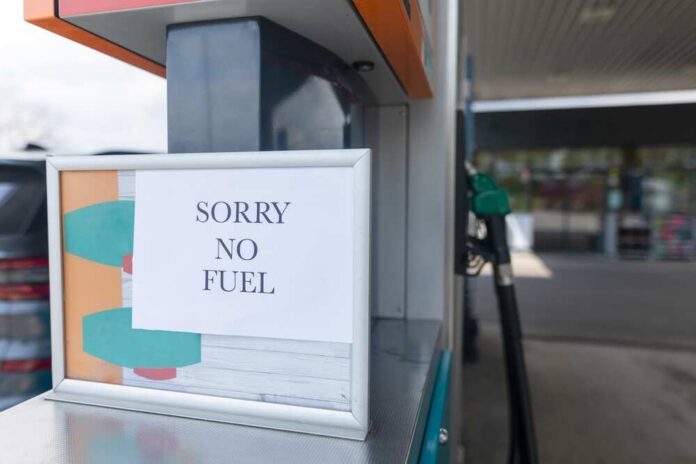
Thailand’s prime minister is weighing overnight petrol-station shutdowns—an extraordinary reminder that when global energy shocks hit, ordinary families are the ones left budgeting around government rationing.
Quick Take
- Prime Minister Anutin Charnvirakul said Thailand is preparing fuel-saving measures that could limit petrol station hours overnight.
- The proposal targets closures from 10:00 p.m. to 5:00 a.m., with implementation planned after the Songkran holiday period, after April 20, 2026.
- Officials say the move is tied to worries about oil supply disruptions linked to Middle East tensions and broader energy-security planning.
- Thailand is also weighing which legal authority to use, including a 1973 emergency decree designed for fuel shortages.
Thailand’s proposed overnight closures and the timeline after Songkran
Prime Minister Anutin Charnvirakul said on April 7, 2026, that Thailand is preparing fuel-conservation steps that include restricting petrol station operating hours overnight. The window under discussion would close stations from 10:00 p.m. to 5:00 a.m. Officials signaled the start would come after the Songkran travel period, placing implementation after April 20 to avoid disrupting one of the country’s biggest annual travel surges.
Thailand’s approach reflects a familiar pattern in energy policy: government tries to avoid public backlash by timing conservation rules around major holidays and predictable spikes in demand. Anutin’s comments emphasized convenience—letting families travel, return home, and then adjust to new rules. For consumers, the practical takeaway is simple: if the measure proceeds, late-night refueling could require planning ahead, particularly for long-distance drivers and shift workers.
Energy security pressures: Middle East risk and domestic fuel management
The Thai government linked the planning to concerns that conflict-driven instability in the Middle East could threaten global oil supplies. Thailand’s energy authorities have been monitoring vulnerability to external shocks, and the prime minister framed the conservation measures as a way to preserve domestic oil supplies. In plain terms, the country is preparing for the possibility that global supply disruptions or price spikes could quickly translate into domestic shortages and public anxiety.
Alongside the operating-hours proposal, the government said it is establishing a Centre for Administration and Monitoring of Middle East Conflict. That detail matters because it signals an ongoing, institutional response rather than a one-off announcement. Governments often expand monitoring bodies during crises to coordinate decisions across agencies. Supporters see this as prudent contingency planning; critics may see another layer of bureaucracy. Either way, the public will judge results—whether measures stabilize supply without unnecessary restrictions.
Limited fuel availability overnight and who feels it first
One operational detail reported is that during the overnight closure period, only E20 petrol and B20 diesel would remain available. That kind of targeted availability can function as a soft form of rationing: it keeps some fuel flowing while discouraging discretionary nighttime demand. For drivers whose vehicles are not compatible with those blends, or for commercial operators who rely on predictable access, the rule could feel like a direct constraint rather than a gentle nudge.
The immediate burden is likely to fall on people who can’t easily shift their routines—delivery drivers, emergency travel, night-shift workers, and rural residents traveling long distances. Petrol station operators also face staffing and revenue adjustments if 24-hour operations become illegal or uneconomical. The research available so far does not include industry association reactions or projected costs, leaving key questions unanswered about enforcement, exemptions, and how the government will handle unintended consequences.
The legal framework: emergency powers versus normal rulemaking
Thai officials have pointed to existing legal tools for fuel management, including the Emergency Decree on Remedying and Preventing Fuel Shortages of 1973, while also indicating they are evaluating alternative legal channels. That choice is not a technical footnote; it shapes how quickly rules can be imposed, what oversight exists, and how transparent the process will be. Emergency powers can be fast, but speed can come at the cost of public input.
From an American perspective—especially for readers wary of government overreach—the situation is a reminder of how energy dependence can quickly translate into restrictions on everyday life. The available reporting is built largely on government statements, with limited independent economic analysis so far. Until Thailand clarifies enforcement mechanisms, exemptions, and duration, the most responsible conclusion is narrow: Bangkok is openly preparing conservation rules because leaders believe global conditions could tighten supply, and they want authority ready before a crunch hits.
Sources:
Thailand weighing overnight petrol station closures to save fuel: PM
Thailand PM orders night fuel station closures after April 20