
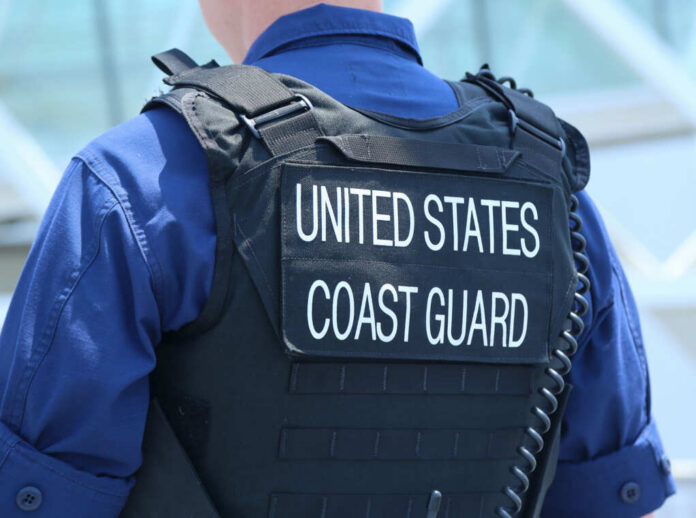
Washington’s shutdown brinkmanship is once again putting the men and women who protect America’s coasts in the crosshairs—this time with roughly 41,000 Coast Guard members staring at missed paychecks.
Quick Take
- Rep. Nicole Malliotakis urged President Trump to step in as FY2026 funding disputes threaten Coast Guard pay.
- H.R. 5401, the “Pay Our Troops Act of 2026,” aims to keep military pay flowing during a funding lapse but still needs Senate action.
- The Coast Guard is uniquely vulnerable in shutdowns because it operates under the Department of Homeland Security, not the Pentagon.
- Past shutdowns show real damage to morale and retention when service members are forced to work without pay.
Malliotakis Presses Trump as Paychecks Hang in the Balance
Rep. Nicole Malliotakis, a New York Republican, is calling on President Donald Trump to intervene as a funding lapse threatens pay for about 41,000 Coast Guard members. Her warning centers on FY2026 appropriations delays and the risk of a shutdown-style gap where the service continues critical missions but families may not see regular pay. Malliotakis has also rallied veterans at New York City-area military installations to pressure the Senate to move.
The immediate legislative vehicle is H.R. 5401, titled the Pay Our Troops Act of 2026, introduced in the 119th Congress. The bill is designed to provide continuing appropriations specifically for military pay during any FY2026 funding gaps. That approach reflects a basic principle most Americans agree on: Congress can fight over line items, but service members should not be used as leverage. The available research does not show a public Trump response yet.
Why the Coast Guard Gets Hit Harder Than Other Services
The Coast Guard’s place inside the Department of Homeland Security creates a recurring problem when Washington fails to pass funding on time. During the 2018–2019 shutdown, Coast Guard personnel famously worked without pay for weeks because they were not funded through the Department of Defense in the same way as other armed services. That precedent matters in 2026 because it shows how quickly “essential” status can turn into “work anyway, and hope Congress fixes it later.”
https://youtu.be/kCLK5xqVFbU?si=1EMA5TUT7kXgScNT
Funding disputes are not new, but the structure of annual appropriations under Article I means a missed deadline can instantly become a crisis. In recent years, Congress has leaned on continuing resolutions to keep the government open while postponing hard decisions. The current dispute follows that familiar pattern: full-year appropriations have lagged, interim measures have expiration dates, and lawmakers try to patch the most politically painful consequences. Targeted pay-protection bills address symptoms, not the cycle itself.
What H.R. 5401 Does—and What It Doesn’t Do
H.R. 5401 is narrowly focused: it aims to ensure pay continues for military personnel during a lapse in appropriations. That is an important safeguard for families budgeting around predictable deposits, especially when the Coast Guard’s missions—search and rescue, maritime security, and law enforcement—do not pause for congressional stalemates. At the same time, the research indicates the bill is not a full operations-and-readiness fix; it is a pay continuity measure.
That limitation matters because pay is only one piece of readiness. A funding lapse can still disrupt training schedules, maintenance timelines, and administrative support that keeps units running smoothly. The public debate often frames shutdowns as political theater, but the practical impacts land on real people. When lawmakers create uncertainty, spouses and children feel it first through late bills, delayed savings goals, and the stress of doing everything right while Washington cannot meet its basic duties.
Senate Inaction, Shutdown Politics, and the Stakes for Retention
Malliotakis’s events in New York are meant to spotlight a simple question for the Senate: why should a service member’s paycheck depend on who wins the latest budget standoff? Her message also reflects the political reality that veterans and military families cut across party lines, even in deep-blue territory. The research notes that Senate action is the key hurdle and that, without an extension or agreement, a funding gap could arrive with little warning.
Rep. Nicole Malliotakis urges Trump to intervene as 41,000 Coast Guard members set to miss paychecks https://t.co/5BFGkO4FaT pic.twitter.com/umSoztagIa
— New York Post (@nypost) February 21, 2026
The long-term risk is not just public frustration—it is whether qualified Americans decide the uniform is worth it. The research cites concerns about morale and retention after previous shutdown experiences, including voluntary separations and recruiting dips tied to financial instability. Congress cannot claim to “support the troops” while letting them become involuntary creditors to the federal government. If Washington wants a ready Coast Guard, predictable pay is the non-negotiable starting point.
Sources:
https://www.congress.gov/bill/119th-congress/house-bill/5401