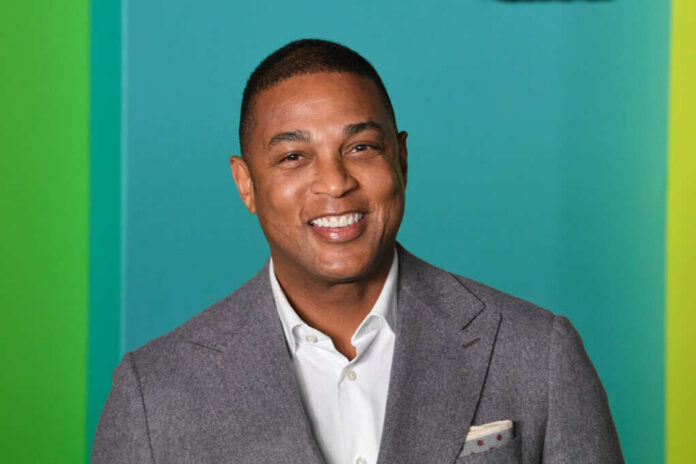
Former CNN anchor Don Lemon now faces federal charges for allegedly conspiring to disrupt a church service in Minnesota, exposing a dangerous precedent where religious freedom collides with so-called press protections during anti-ICE protests.
Story Highlights
- Don Lemon arrested and indicted for disrupting a church service during an anti-ICE protest on January 18, 2026, charged under the FACE Act and conspiracy laws
- Deputy AG Todd Blanche defends DOJ prosecution against media claims of political targeting, emphasizing no one is exempt from protecting religious liberty
- Grand jury indictment cites Lemon’s livestream comments about intentionally frightening congregants and evading police detection, suggesting active participation beyond journalism
- Case sets unprecedented test of applying the FACE Act to religious worship settings and could redefine limits on press freedom during disruptive protests
DOJ Defends Prosecution Amid Media Pushback
Deputy Attorney General Todd Blanche confronted CNN host Dana Bash on February 1, 2026, defending the Department of Justice’s decision to charge former CNN anchor Don Lemon with federal crimes. Blanche emphasized that journalists receive no special exemption from laws protecting religious freedom, stating clearly that disrupting worship services violates civil rights regardless of whether perpetrators claim press credentials. The interview showcased tensions between the Trump administration’s law enforcement priorities and mainstream media skepticism, particularly given Lemon’s history of public feuds with the president.
https://youtu.be/Y9K_OJLmass?si=b-kM7SNYgGkgRmC2
Church Disruption Triggers Rare Federal Charges
On January 18, 2026, protesters stormed Cities Church in St. Paul, Minnesota, during a Sunday service in what witnesses described as a takeover-style attack. Don Lemon and fellow journalist Georgia Fort livestreamed the disruption as dozens of anti-ICE activists rushed into the sanctuary, confronting worshippers and interrupting religious activities. Federal prosecutors subsequently charged Lemon under the Freedom of Access to Clinic Entrances Act, a 1994 law typically applied to abortion clinic protests but extending to places of worship. The indictment alleges conspiracy to deprive congregants of their constitutional right to freely exercise religion without intimidation or interference.
Grand Jury Overrules Judicial Dismissal
The path to Lemon’s indictment faced initial obstacles when an appeals court judge dismissed earlier DOJ attempts, citing insufficient probable cause. Blanche addressed this setback during his CNN interview, explaining that while individual judges issue warrants, grand juries consisting of 25 Minnesota citizens ultimately validate the charges through formal indictment. This procedural distinction underscores a critical point for conservatives frustrated by judicial activism: the people themselves, through the grand jury system, affirmed the evidence warranted prosecution. Lemon pleaded not guilty on January 30, 2026, following his arrest in Los Angeles the previous night.
Evidence Suggests Active Participation Beyond Reporting
The federal indictment details 29 overt acts supporting conspiracy charges, with acts 20 and 21 specifically highlighting Lemon’s conduct. According to prosecutors, Lemon’s livestream captured him commenting on how congregants appeared frightened and traumatized, suggesting intentional intimidation rather than neutral observation. Additionally, evidence indicates Lemon employed surreptitious tactics to avoid disclosing his location to law enforcement, behavior prosecutors argue demonstrates planning and coordination with protesters rather than independent journalism. These allegations distinguish the case from typical press coverage of protests, raising fundamental questions about where reporting ends and participation begins.
Blanche’s defense of the prosecution reflects broader concerns among constitutional conservatives about protecting religious liberty against aggressive activism. The FACE Act application to church settings, though unprecedented in this context, represents a necessary safeguard for worshippers’ First Amendment rights to practice faith without disruption. As immigration enforcement debates intensify under the Trump administration, this case signals that federal authorities will hold accountable those who violate civil rights under the guise of protest or journalism. The outcome could establish crucial precedent limiting activist journalists’ ability to claim immunity while actively participating in illegal disruptions, particularly when targeting religious communities exercising constitutionally protected freedoms.
Sources: